How Leading Digital Banks Turn Raw Payments into Real Features
Enriched payment data is no longer just a backend concern. It’s a frontline UX differentiator.
We analyse how the best digital banks build clear feeds, merchant intelligence, smart notifications and habit-building UX. All powered by enriched payment data.
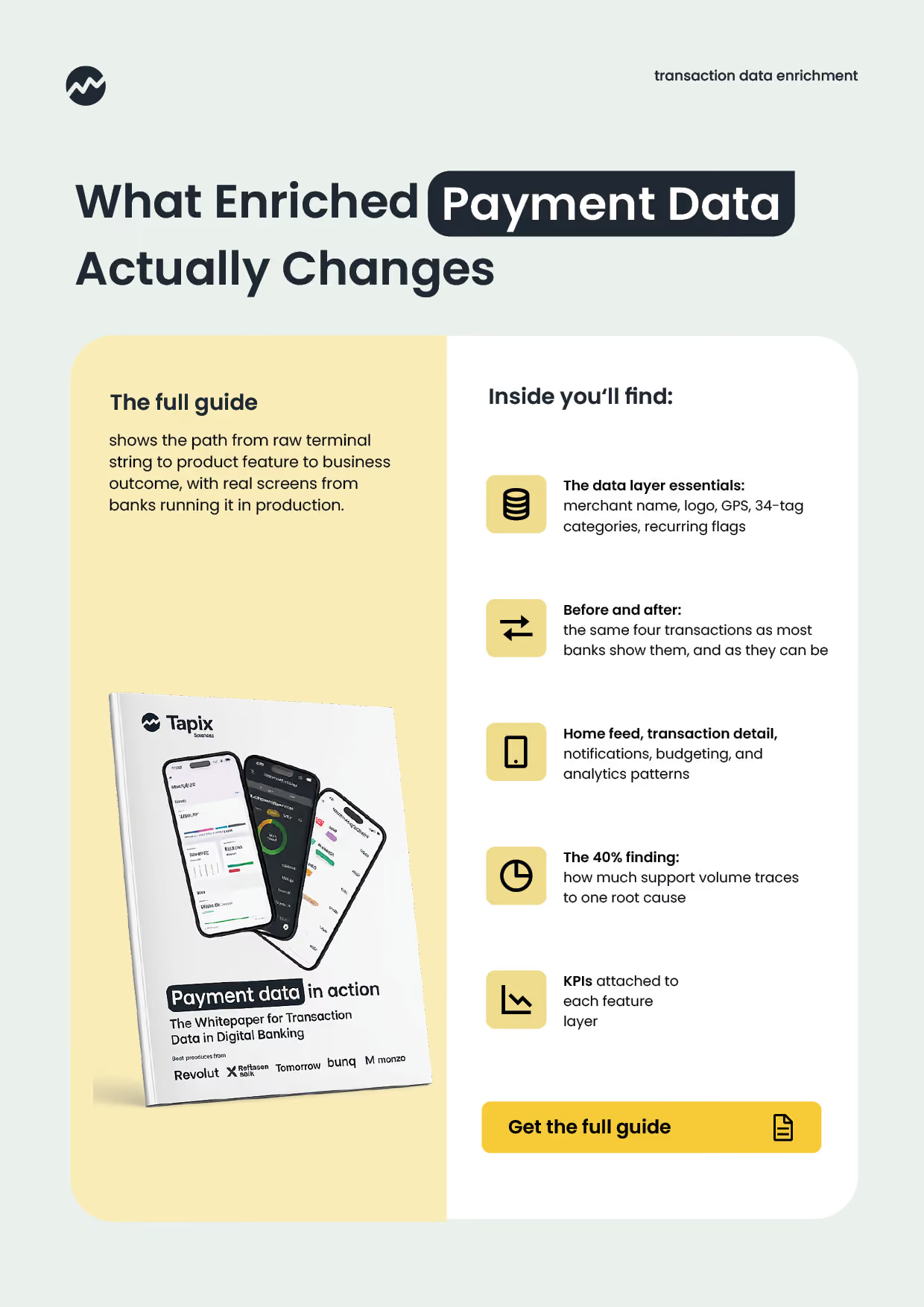
This 28-page guide shows what happens when you treat transaction data as infrastructure.
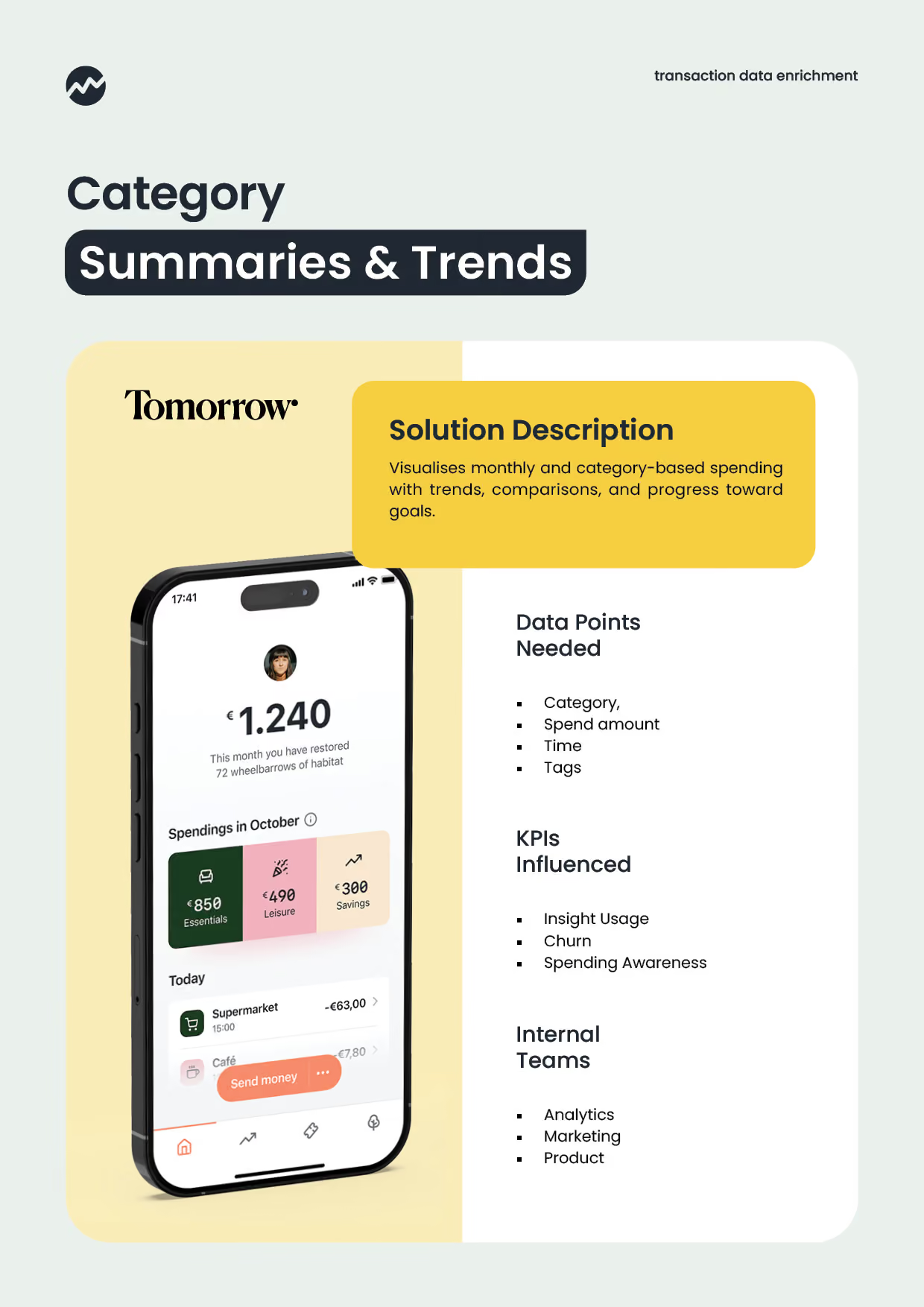
What does this whitepaer include?

Clean transaction data moves four different scorecards
Written for product owners, UX and design leads, customer experience and risk owners, and data and analytics teams. Every solution in the guide names the data it needs, the KPIs it moves, and the team that owns it.

Requirements that arrive pre-mapped
Every solution lists the data points it depends on, so you can size it before you brief engineering.

Designs based on real data
See how leading apps present merchants, categories and recurring charges, and what they show when a data point is missing.

Tickets that never get raised
Clean merchant names, logos and GPS data cut confusion, false fraud reports and avoidable chargebacks.

Quality targets you can defend
Coverage, accuracy and richness benchmarked as three separate metrics, so you can set a realistic target per data point.
Frequently Asked Questions
Frequently asked questions about how Tapix identifies the real merchant, store location or payment gateway behind a card transaction.
Most disputes start with a transaction the customer does not recognise. When a feed shows the clean merchant name, logo, category and store location instead of a raw descriptor, the customer identifies the payment themselves and never opens a case. Revolut uses the merchant name and logo inside its own fraud reporting flow for exactly this reason, to aid recognition and reduce false chargebacks. Enriched merchant data and GPS validation also shorten the cases that are raised, because the agent can see where the payment happened.
Because the descriptor names the payment processor, not the shop. A raw string like "PAYPAL *EBAYNCSHIP" or "POS 8273 *SKYTRAVEL" gives the customer nothing to recognise, so a legitimate purchase looks like card compromise. Resolving the real merchant behind gateways such as PayPal, Stripe, Klarna and Adyen removes the ambiguity at the point the customer looks at the feed, which is where the decision to dispute is actually made.
Primacy follows the app the customer opens first, and the transaction feed is the entry point for nearly every daily interaction: checking recent spend, managing subscriptions, reviewing budgets or asking a chatbot about trends. Challenger banks surface that context instantly. Traditional banks often need two or more clicks to reach the same view, and each extra step reduces usage of the tools that depend on transaction context, including notifications, search and PFM.
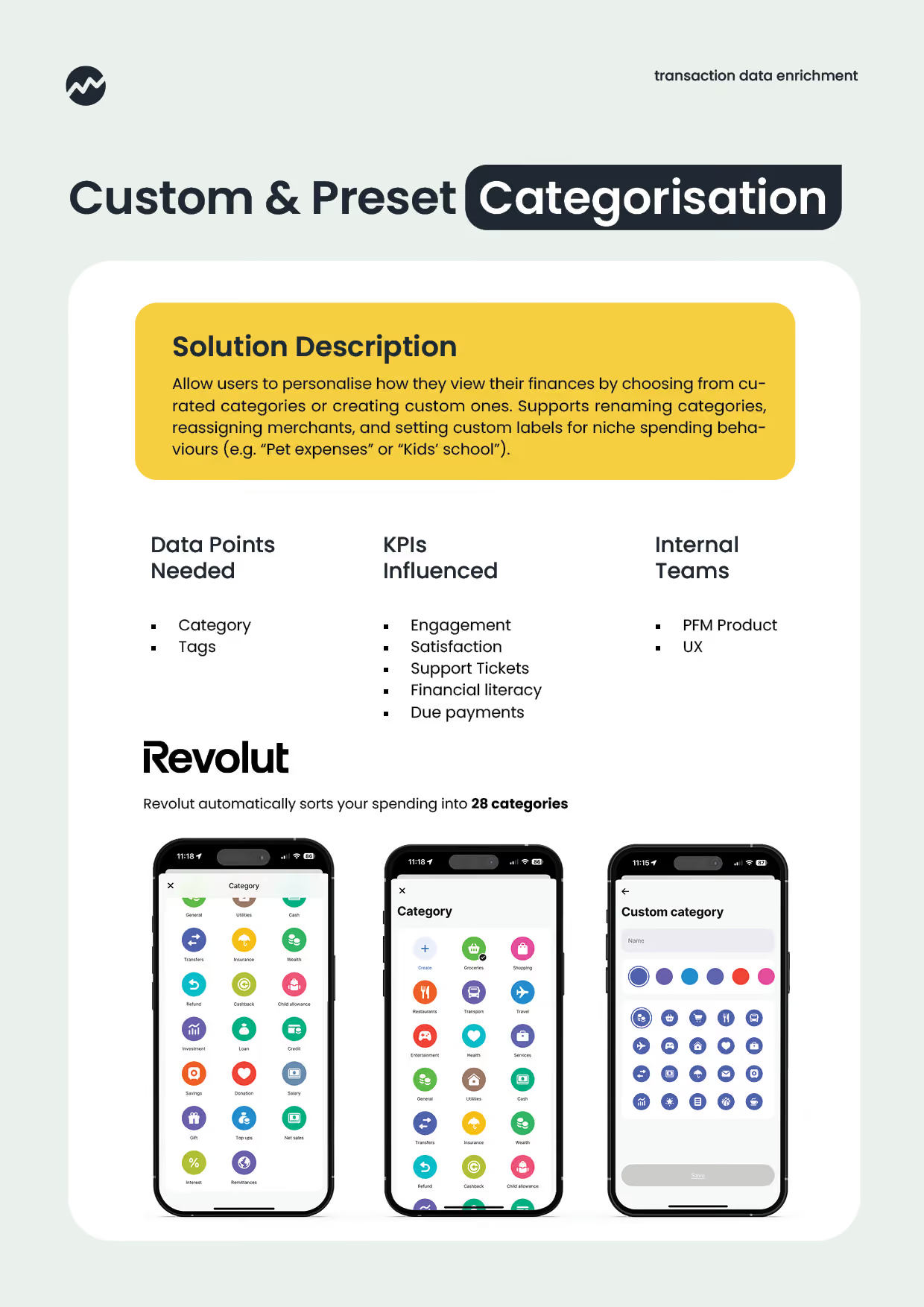
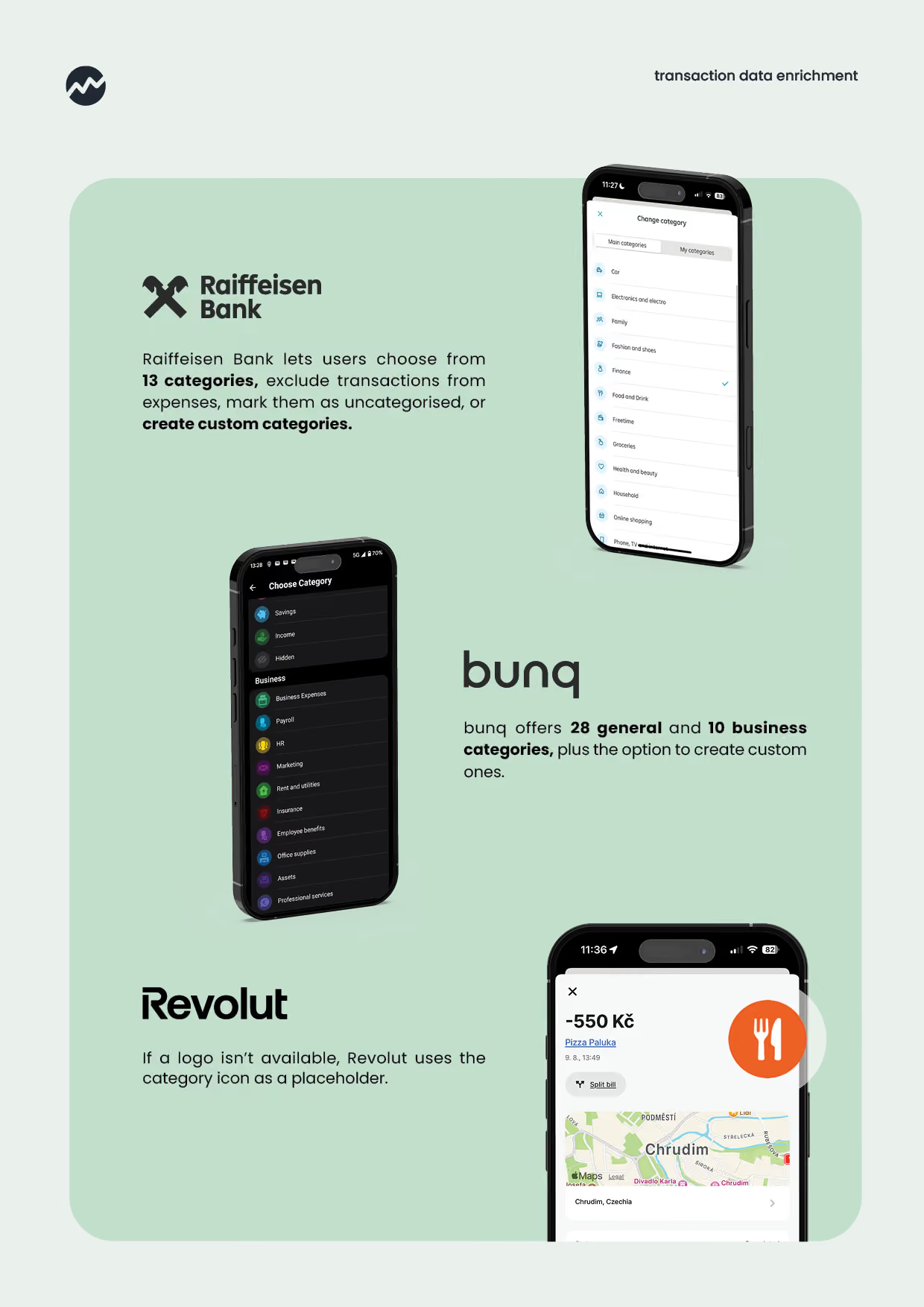
Consistency matters more than completeness. Customers expect every name, logo and tag to match reality, and a single visible error undermines confidence in the records around it, so a data set that is accurate across 75% of transactions is more useful than one enriched more widely but with errors. Designing deliberate fallbacks is part of the answer: Revolut shows the category icon when no logo is available, which keeps the feed clean rather than broken.
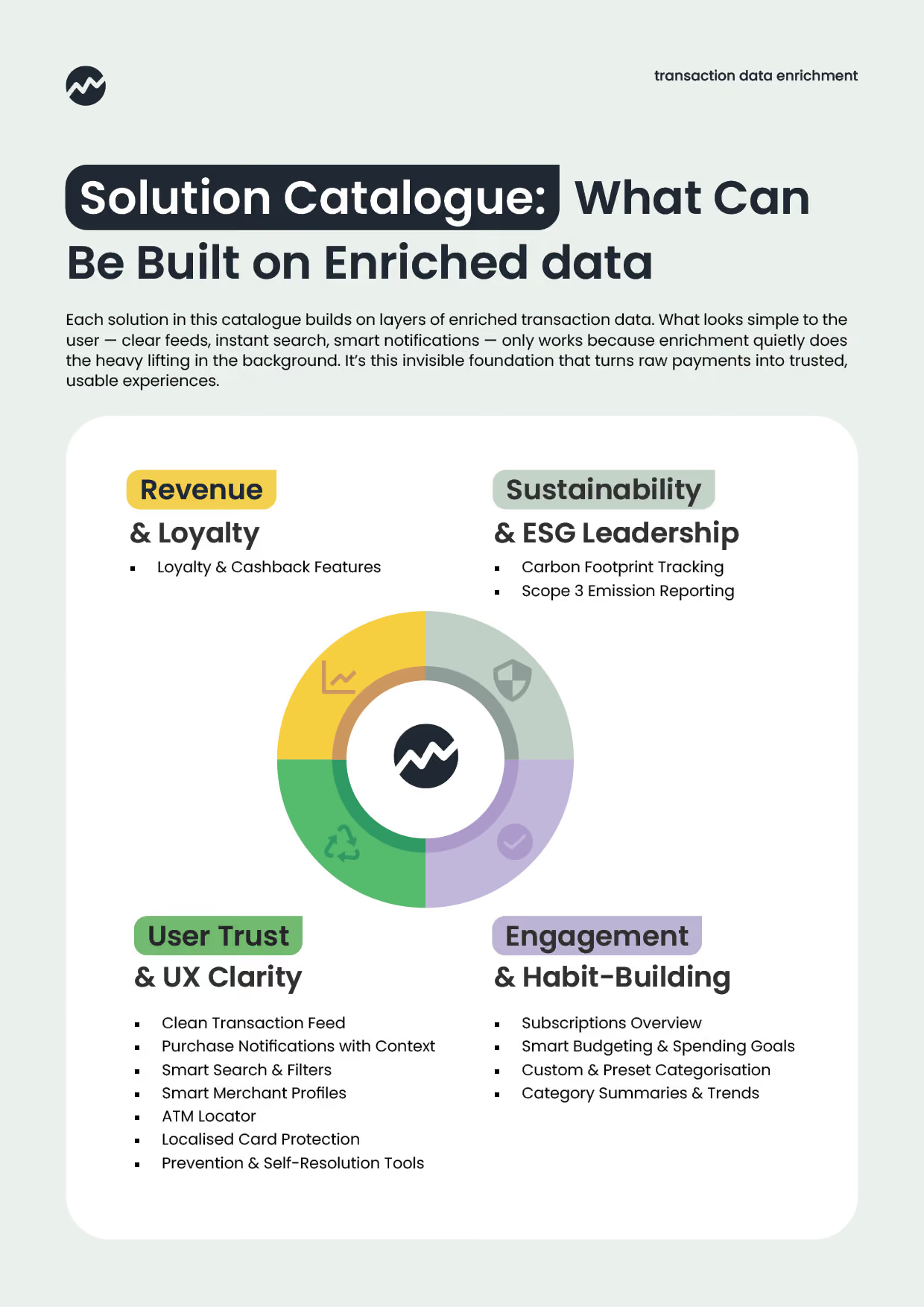
Enrichment moves KPIs in three areas. On cost: support tickets, chargebacks and dispute handling time. On engagement: daily active usage, card usage, notification engagement and search completion. On retention: app trust, spending awareness and churn. The KPI depends on the feature built on top, which is why each of the 14 solutions in the guide lists the data points it needs alongside the metrics it influences.