FOR fintechs - VISA/MC requirements compliance
Visa & Mastercard - Ready Clarity For Every Purchase
Tapix enables fintechs and card issuers to comply with Visa’s Enhanced Merchant Data requirement and Mastercard’s AN4569 Revised Standards while transforming compliance into a digital experience customers love and trust.
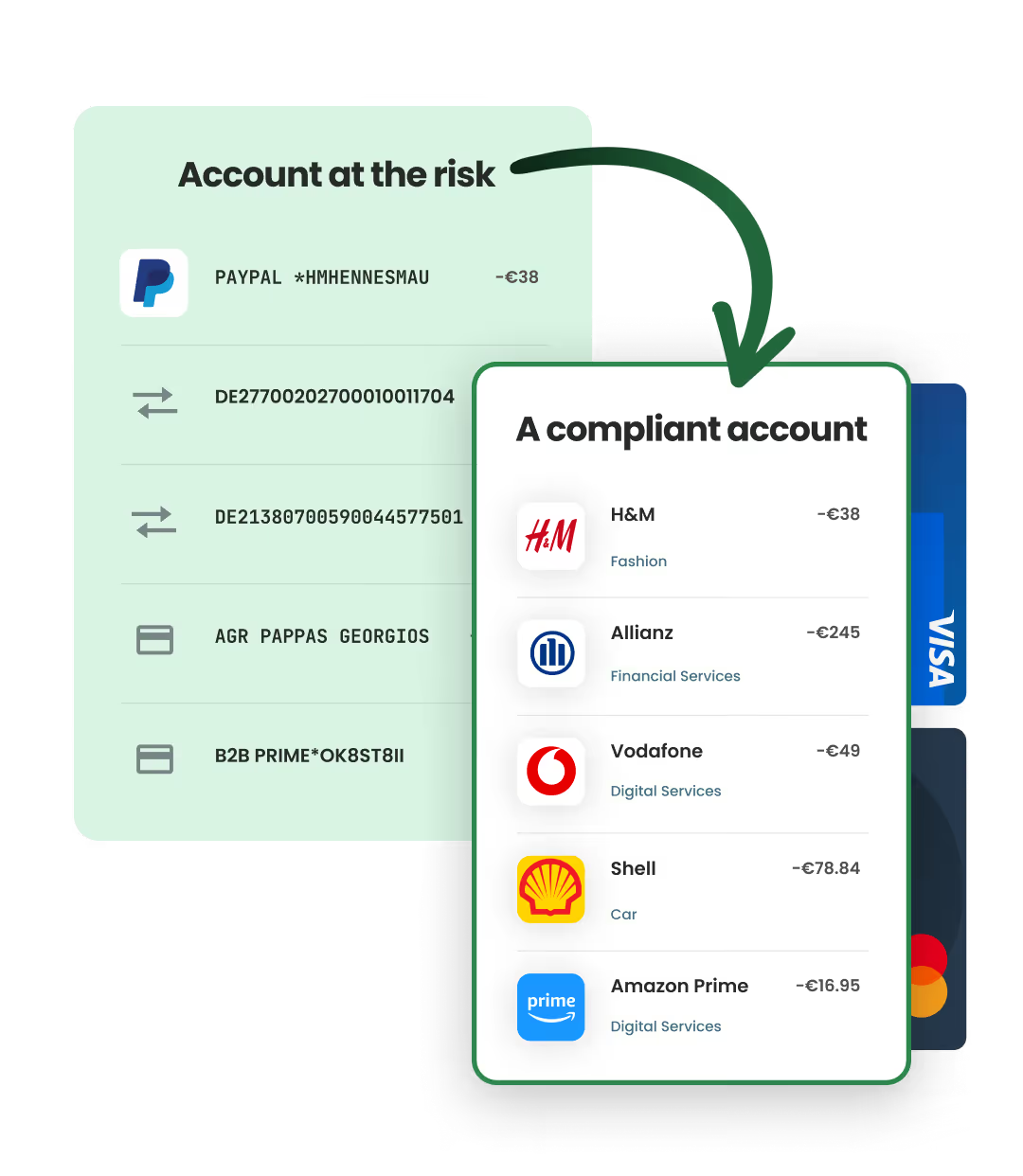







Will you comply, or will you lead?
Confused transactions cost more than chargebacks. They cost engagement, trust, and loyalty.
Visa’s (23 January 2027) and Mastercard’s (1 October 2023) Enhanced Merchant Data requirements set the baseline, but leading banks go further, using enriched data to create seamless, transparent experiences that deepen loyalty.
Enhanced Data Rules are more than compliance. They’re a chance to redefine digital banking clarity.
From a cryptic descriptor to the full story behind every payment
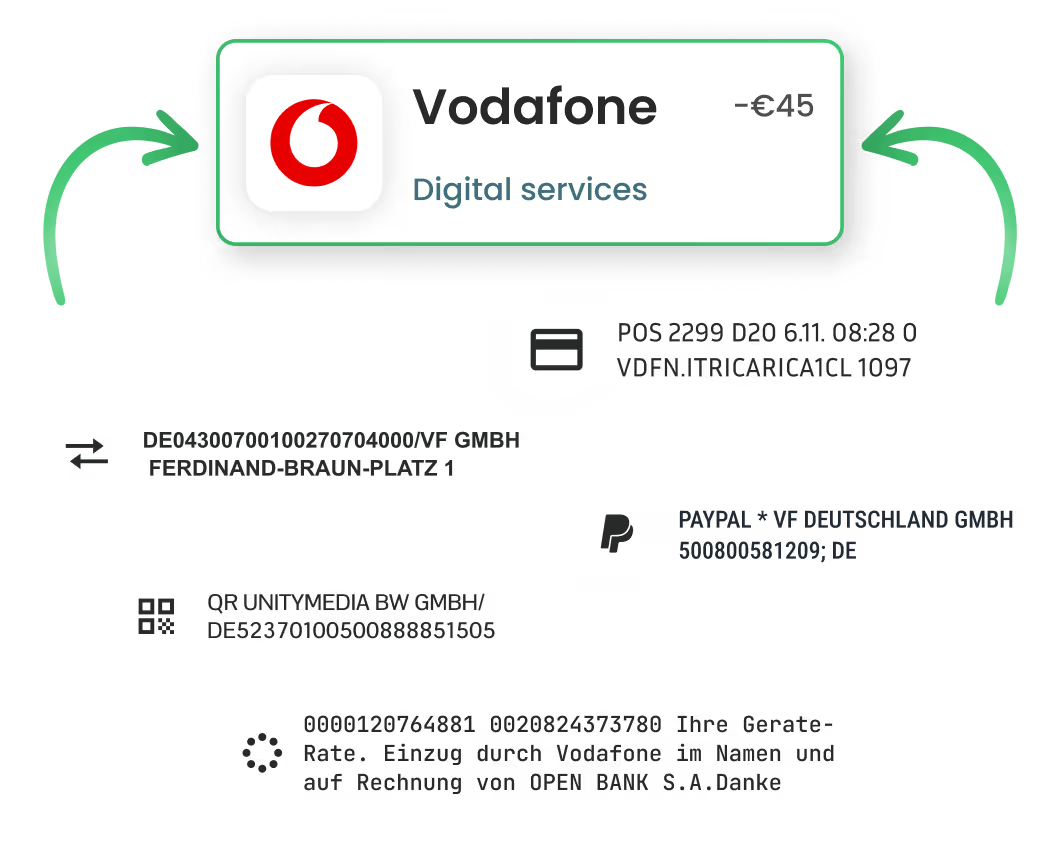
Whatever the source — card, A2A, QR, or open banking — Tapix enriches every payment into the same clear, recognisable record: the real merchant, category, location and purchase context.
Turn Compliance into Strategic Advantage
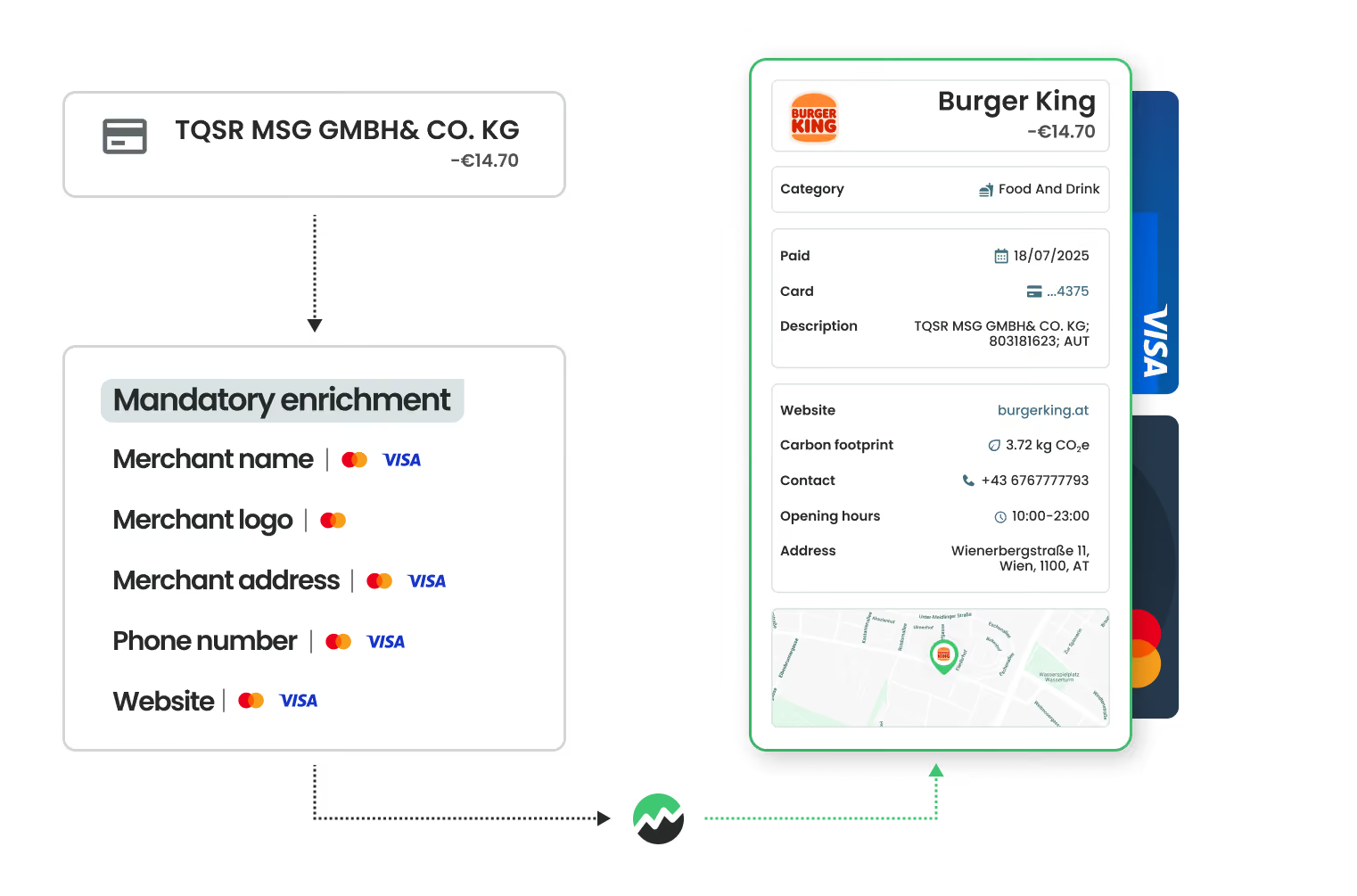
Send a raw transaction, get back the correct merchant, logo, category, location, and more in real time, all from continuously updated data. One call, ready to build on


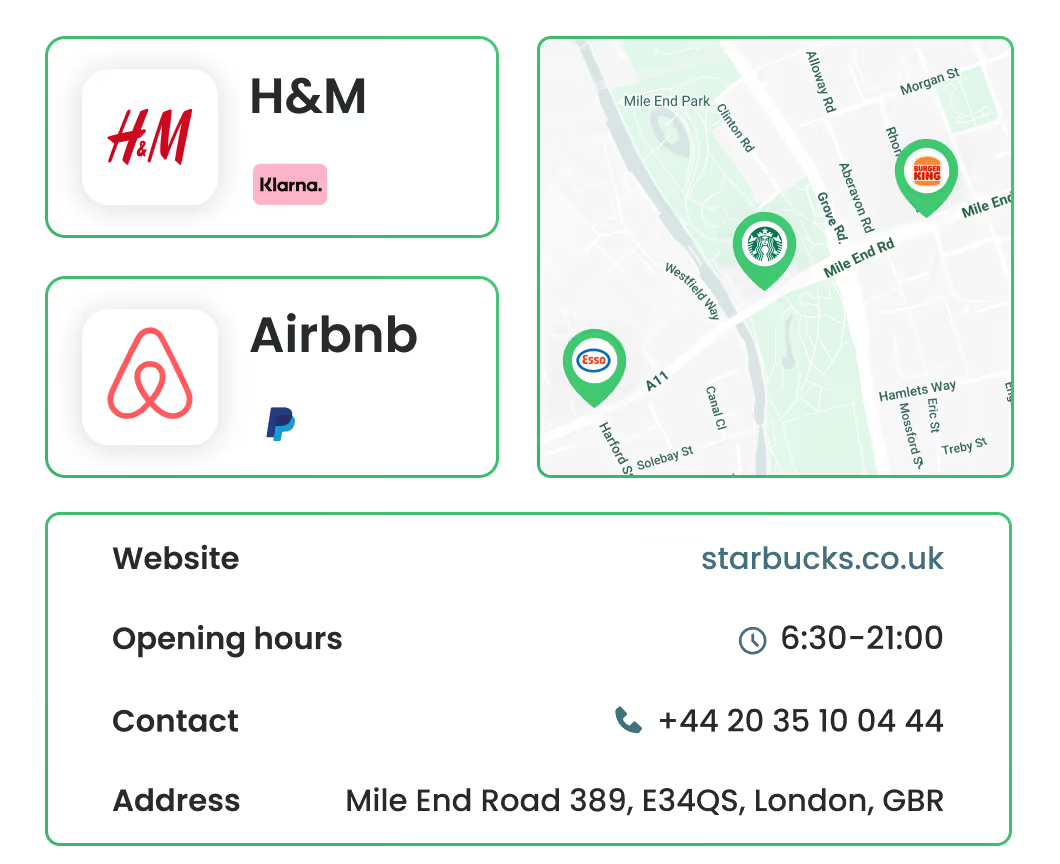
Recognise merchant identity, even hidden one
Individual store-level identification for merchant name and logo

Go beyond MCCs
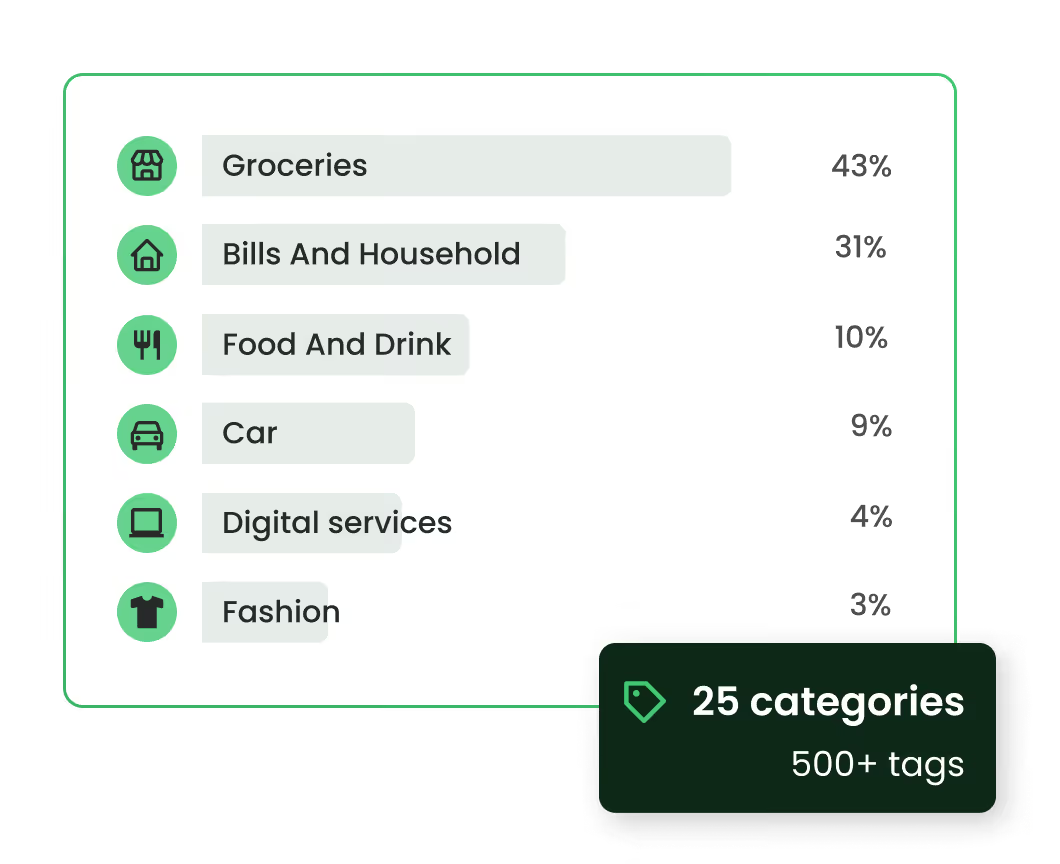
MCC codes misclassify 1 in 3 transactions. Categorise every transaction with a four-level labeling system
Simplify users' path to merchants
Provide users with seamless access to merchants through purchase GPS location, phone number, URL or Google Place ID
Features are only as good as the data
Consistent, high-quality transaction data enables building a clear, scalable customer experiences across markets at production scale supported by:
Exceed mandate expectations
Tapix helps elevate the transaction experience to the same level of excellence customers expect from Europe's digital leaders such as Revolut or bunq.

Compliance, confidently delivered
Fulfill requirements of Visa’s and Mastercard’s Enhanced Merchant Data rules on time and with confidence.

Boost mobile app engagement
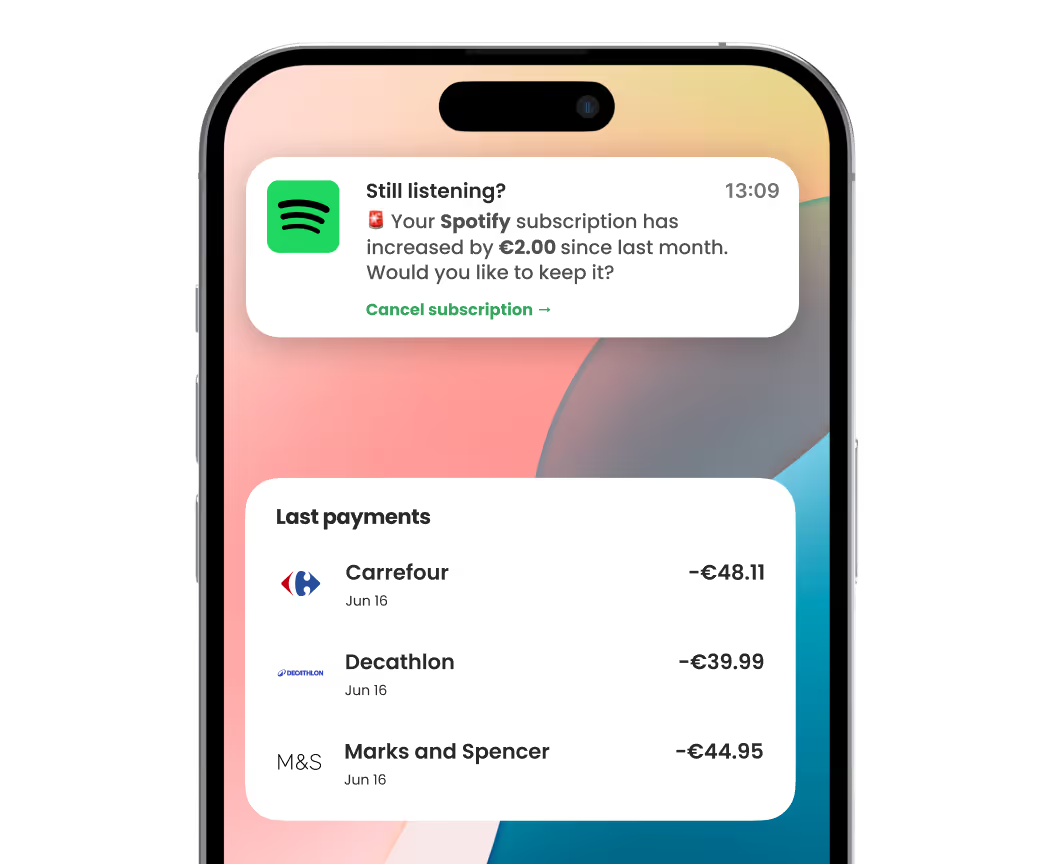
Give users a reason to open the app every day with clear transactions and smart features built on consistent data.

Build features customers adopt
Build high-value features on structured payment data. Clear merchant identity, accurate categorisation, and exact location for every payment.

Higher app store ratings
Clarity builds emotional connection. Every clear transaction is a small moment of trust that compounds over time.
Built for Agile Fintech Teams
.webp)
.webp)
.webp)
.webp)
Tapix operates as a structured data enrichement layer delivered via secure API integration. Review the detection logic, data attributes, integration patterns, and security approach in the technical overview.
Ali Niknam
Founder & CEO at bunq
Visa and Mastercard mandate compliance FAQ
Frequently asked questions about how Tapix supports Mastercard AN4569 and the Visa Enhanced Merchant Data requirement.
Yes. Tapix supports both mandates as part of its standard integration, returning merchant name, logo, location and contact details in the required format without additional configuration.
Yes, Tapix is independent of card schemes, so it can provide you with enhancements for both schemes (Visa and Mastercard) simultaneously as part of a single integration.
Logos are delivered in high-resolution, standardised 512 × 512 formats optimised for mobile banking and fintech apps. They are visually refined for both circular and square displays to ensure a consistent user experience. Every logo is reviewed by a human team and updated to reflect merchant rebrandings.
Depending on the use case, Tapix provides a clean merchant name, logo, category, store location, website, phone number, Google Places ID, payment gateway information, recurring-payment insights and carbon estimates. Banks decide which data points to surface to customers based on their use case.
Tapix returns correct merchant hidden behind gateway. We recognise 65+ payment gateways and methods, Traditional gateways and platforms such as Stripe or Paddle, BNPL providers like Klarna, Mollie or Zilch, Digital wallets like PayPal, Amazon Pay, Alipay or Wallet One Even PoS payment systems like Zettle.
See Tapix in Action
30-minute walkthrough with a live demo tailored to your business model and transaction data. See how Tapix turns raw payment records into real inputs using sample data that reflects your real-world scenarios.