for fintechs - personal finance management
Show customers exactly where their money goes
Tapix enables fintechs to turn raw transaction data into accurate spending categories and recognised merchants, the foundation every personal finance feature is built on.







Why most PFM features struggle to deliver value
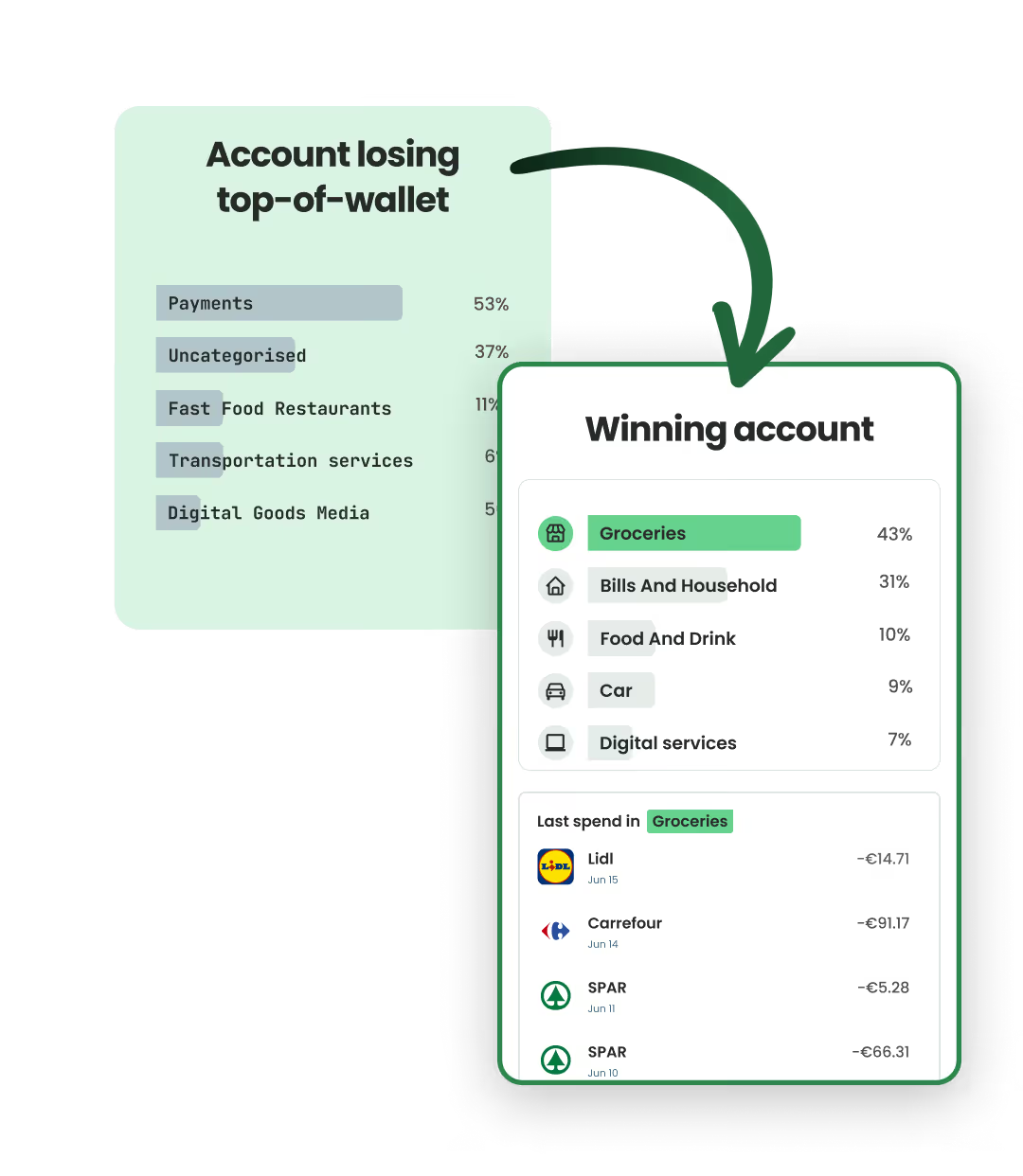
Broken PFM dies on first impression. NPS falls. Customers see "Other" or "Uncategorised" on 37% of their transactions and never come back.
A budgeting feature built on broken categories can't work. Yet the bank keeps paying for development, burning capacity.
MCC was never built for PFM. Building today a PFM based on MCC codes from the early 1970s is a dead end.
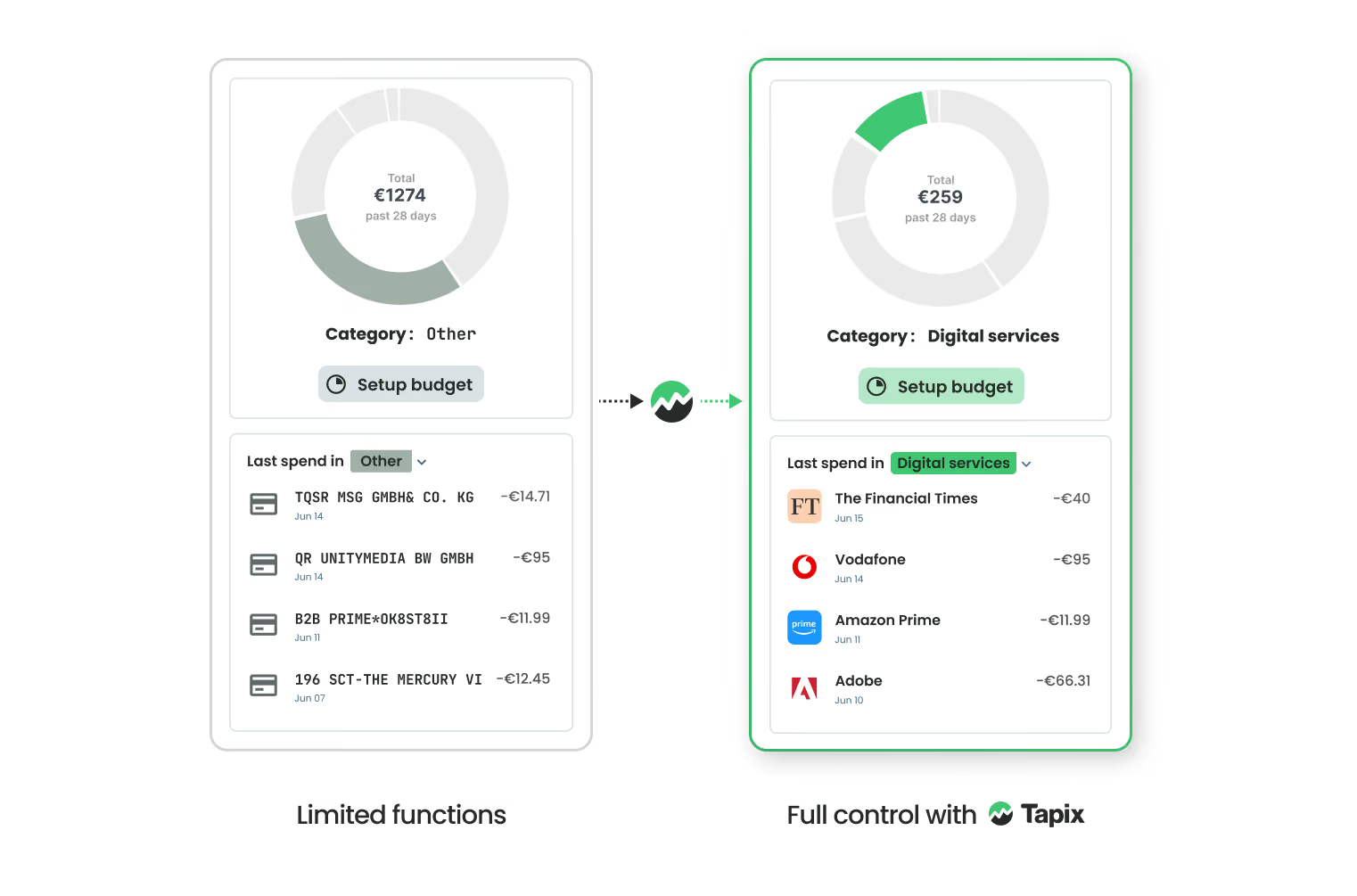
From an 'Other' bucket to the right category for every payment
Card, A2A, QR, or open banking: Tapix sorts every payment into the right category and names the merchant behind it, so nothing gets stranded in "Other" or "Uncategorised"
Turn PFM into Strategic Advantage
Send a raw transaction, get back the correct merchant, logo, category, location, and more in real time, all from continuously updated data. One call, ready to build on


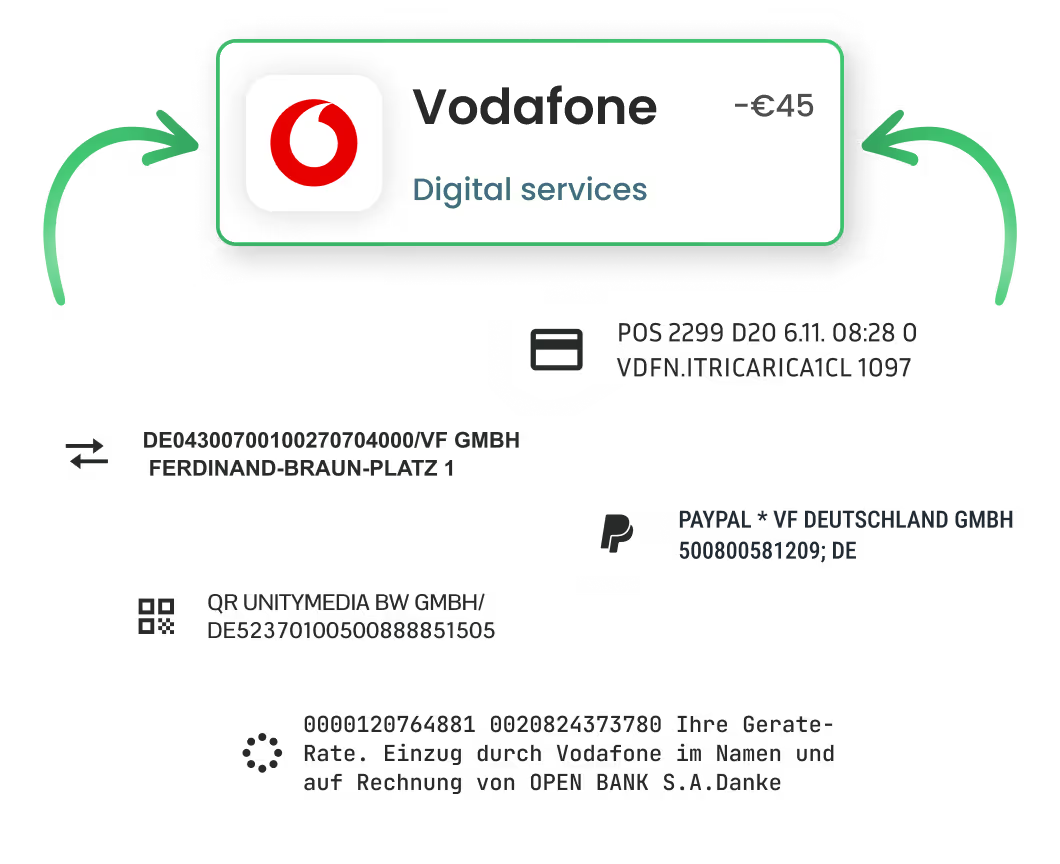
Recognise merchant identity, even hidden one
Individual store-level identification for merchant name and logo

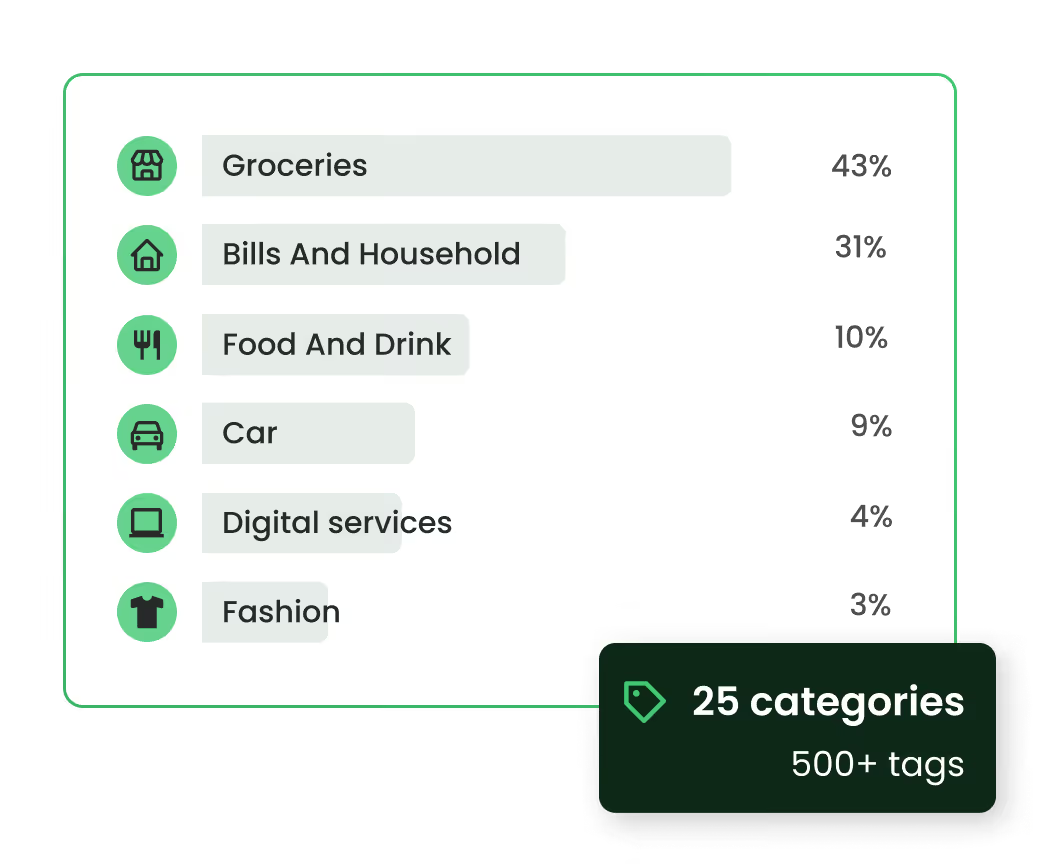
Go beyond MCCs
MCC codes misclassify 1 in 3 transactions. Categorise every transaction with a four-level labeling system
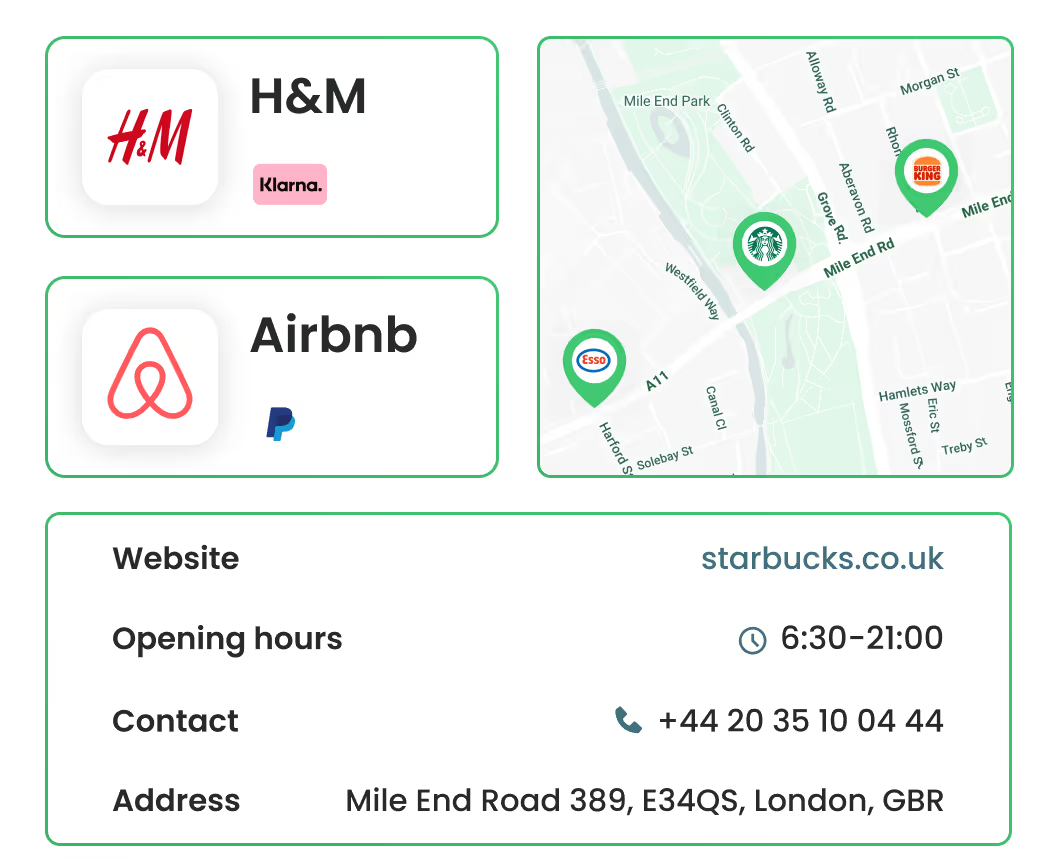
Simplify users' path to merchants
Provide users with seamless access to merchants through purchase GPS location, phone number, URL or Google Place ID
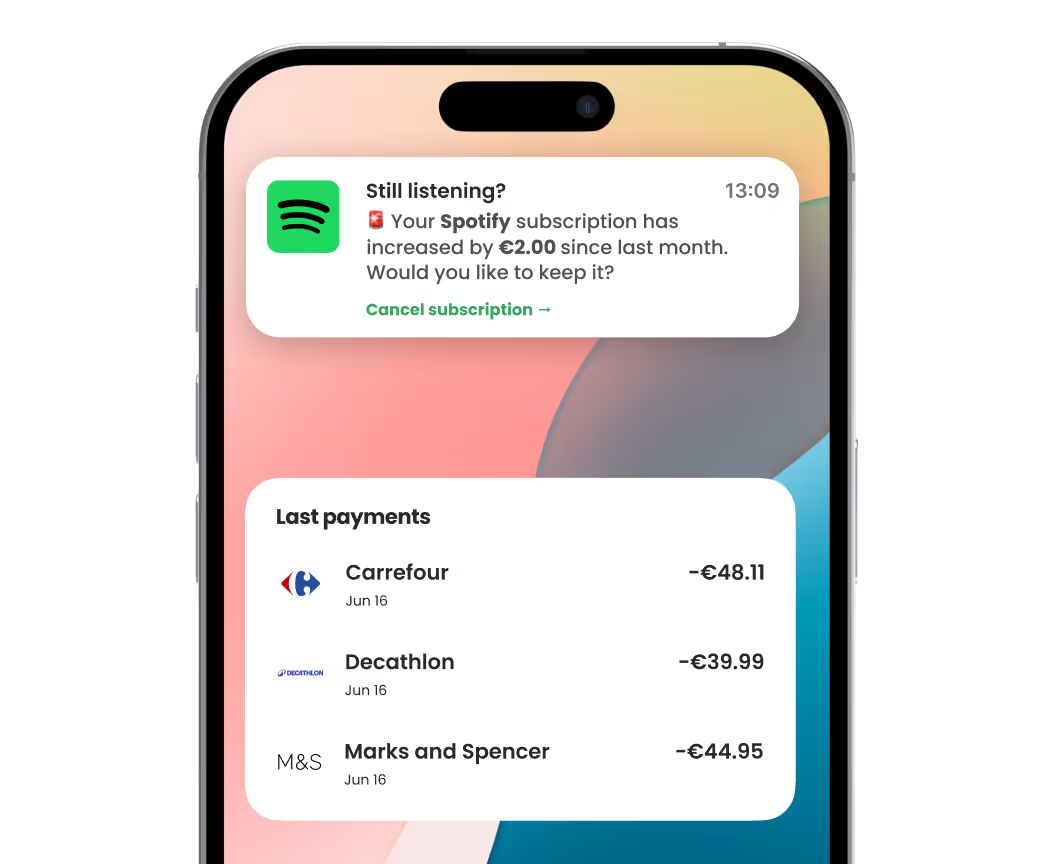
Features are only as good as the data
Consistent, high-quality transaction data enables building a clear, scalable customer experiences across markets at production scale supported by:
What does high-quality PFM unlock?
Tapix helps elevate the transaction experience to the same level of excellence customers expect from Europe's digital leaders such as Revolut or bunq.

Differ from competitors
Clear merchant insights enable your team to build payment experiences customers understand, with quality data competitors don't have.

Boost mobile app engagement
Give users a reason to open the app every day with clear transactions and smart features built on consistent data.

Build features customers adopt
Build high-value features on structured payment data. Clear merchant identity, accurate categorisation, and exact location for every payment.

Higher app store ratings
Clarity builds emotional connection. Every clear transaction is a small moment of trust that compounds over time.
Built for Agile Fintech Teams
.webp)
.webp)
.webp)
.webp)
Tapix operates as a structured data enrichement layer delivered via secure API integration. Review the detection logic, data attributes, integration patterns, and security approach in the technical overview.
Ali Niknam
Founder & CEO at bunq
Transaction categorisation FAQ
Frequently asked questions about how Tapix categorises transactions for personal finance management, beyond MCC codes.
Depending on the use case, Tapix provides a clean merchant name, logo, category, store location, website, phone number, Google Places ID, payment gateway information, recurring-payment insights and carbon estimates. Banks decide which data points to surface to customers based on their use case.
High-quality enrichment requires more than broad coverage. Tapix evaluates coverage, accuracy and information richness to ensure customers receive both correct and meaningful transaction details.
Transaction enrichment quality depends on more than coverage alone. Differences in merchant recognition, categorisation depth, logo quality, location precision and payment gateway resolution can lead to different results for the same transaction. Providers also differ in the amount of context they return and in how they handle uncertain cases, balancing coverage against accuracy.
Tapix uses a multi-level taxonomy with 25 primary categories and more than 530 tags. This provides much more granularity than MCC codes alone. Transactions can support retail, B2B, lending and investment use cases.
Tapix supports custom categories and tags in addition to its standard taxonomy. Banks can tailor categorisation to their own products and business requirements.
See Tapix in Action
30-minute walkthrough with a live demo tailored to your business model and transaction data. See how Tapix turns raw payment records into real inputs using sample data that reflects your real-world scenarios.