Industry insights
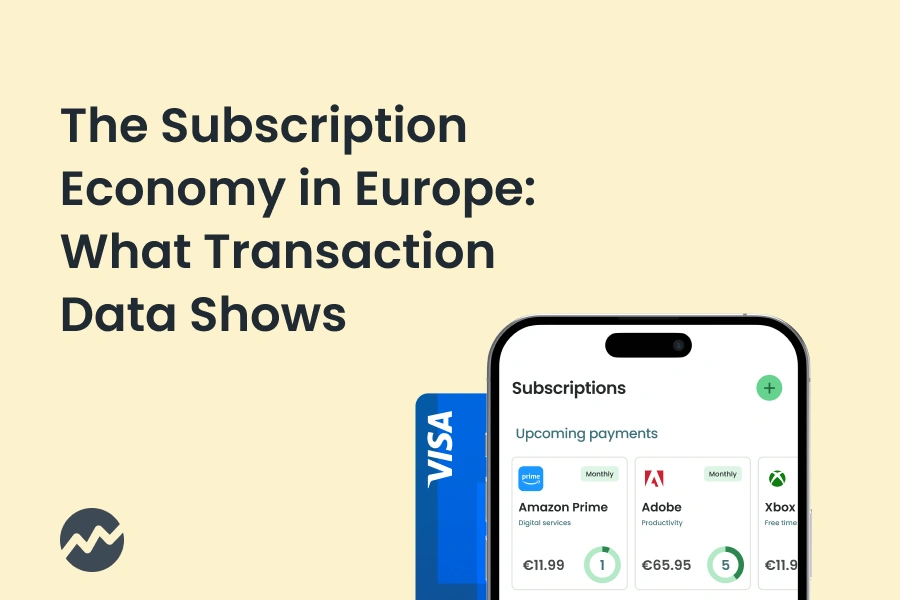
The European Subscription Economy Runs Through Transaction Data. Most Banks Can't Read It
Across Europe, many merchants sell distinct and varied subscription products. That is how the subscription economy appears in bank transaction data: dense, fragmented, and structurally difficult to read. The brand-name surface looks tidy, with Netflix, Spotify and Apple at the front. Underneath, every merchant runs roughly six pricing variations, on average, across different amounts, billing cycles, currencies and payment paths.

Industry insights
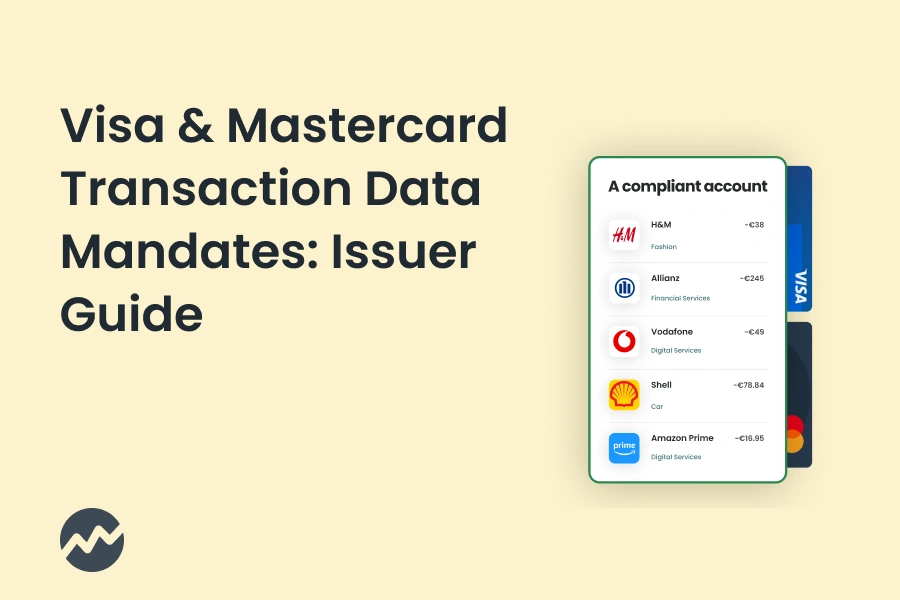
Visa and Mastercard Transaction Data Mandates: What European Issuers Need to Meet
Mastercard AN4569 has been in force since 2023, and Visa's enhanced merchant data mandate follows in January 2027. The two requirements overlap more than they differ - and one enrichment layer, built to the right standard, covers both. Here's what European issuers need to meet, where the mandates align, and how to turn compliance into infrastructure.
Industry insights
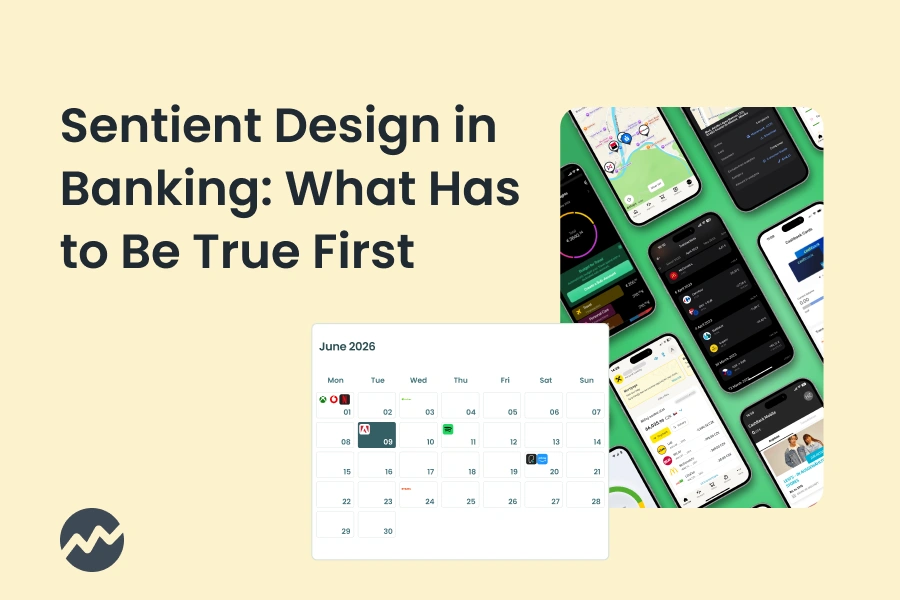
Sentient Design in Banking: What Needs to Be True Before It Can Work
Banks hold the richest behavioural data of any industry - every purchase, every transfer, every recurring obligation. And almost nothing they build with it feels personal. Sentient design is the model that would change that: interfaces that observe the user, infer what they need, and act before being asked. The model is real, the early examples exist, and bank product teams are starting to ask how to implement it. But every sentient moment depends on something most banks still don't have under control: clean, enriched transaction data that the AI can actually read. But first, you have to start with small steps. So we sat down with Ergomania's design strategist to learn how.
Industry insights
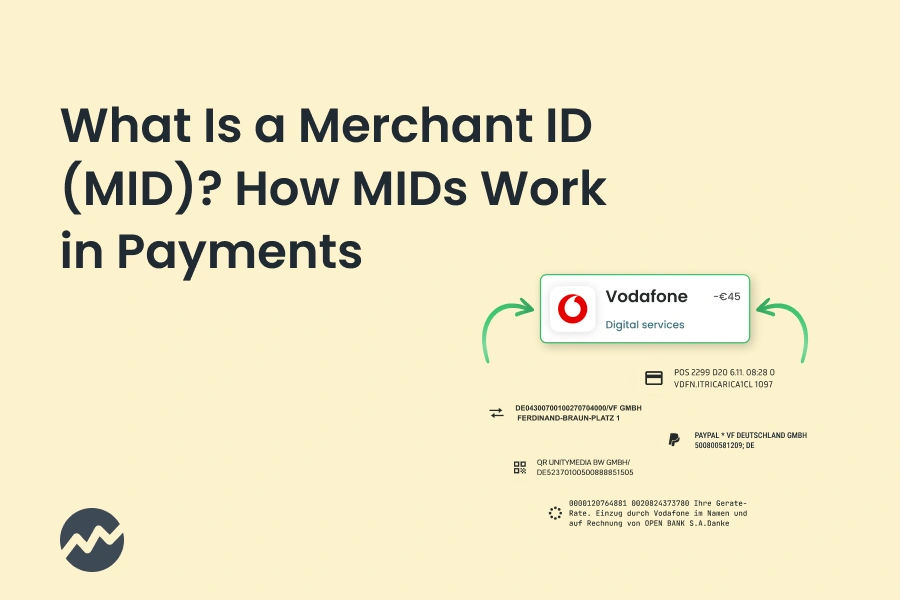
What Is a Merchant ID in Payments? How MIDs Work and Why They Matter for Transaction Data
When a card transaction lands in a bank's core system, it carries a handful of identifiers that determine whether the bank can actually tell its customer where they spent their money. The merchant ID (or MID) is one of the most important of these, and one of the most misunderstood. It is the primary key acquiring banks use to track merchants, and it is one of the main reasons the same real-world business can appear as dozens of unrelated entities in a bank's transaction data.
Industry insights
ISO 8583 vs ISO 20022: What the Messaging Standards Shift Means for Transaction Data
Wholesale and account-to-account payments have largely completed the move and instead of it being ISO 8583 vs ISO 20022, it’s more of an evolution. Card payments have not - there is no scheme-wide mandate, no fixed timeline, and the European Cards Stakeholders Group has explicitly recommended a market-driven approach. For banks and fintechs, this split reality matters: ISO 20022 is reshaping what transaction data fields are available, how rich that data is, and what you can build on top of it - but on the card rails most issuers depend on, ISO 8583 will remain the operational standard for years.
Industry insights
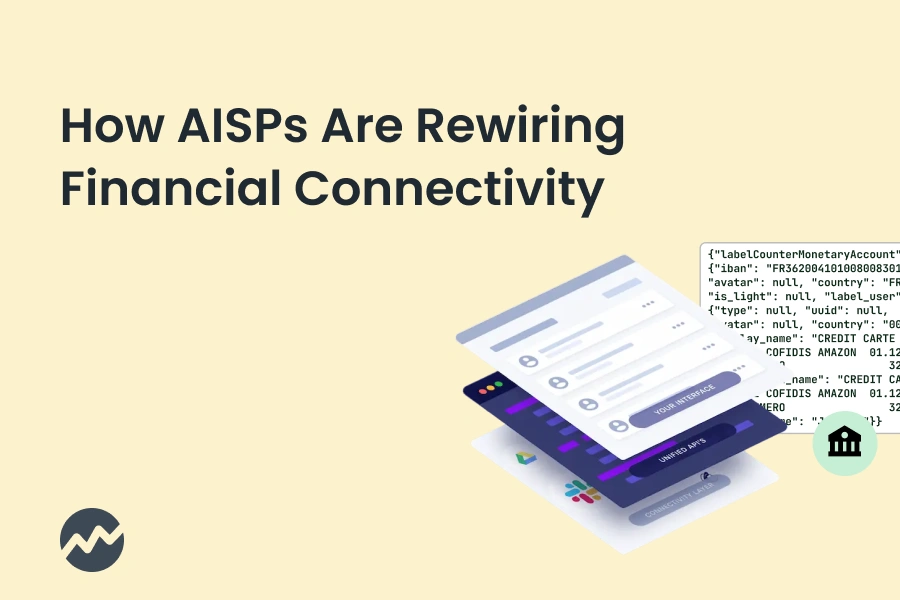
How AISPs Are Rewiring Financial Connectivity
When PSD2 came into effect in 2018, Account Information Service Providers got a formal identity. Banks had to open their APIs to licensed third parties, and consumers gained the legal right to let those third parties access their payment account data. Seven years later, hundreds of AISPs are registered across Europe, and the model has spread to the UK, Brazil, Australia, and parts of the Middle East.

Industry insights
What Is a Payment Description and Why It Matters for Your Bank's App
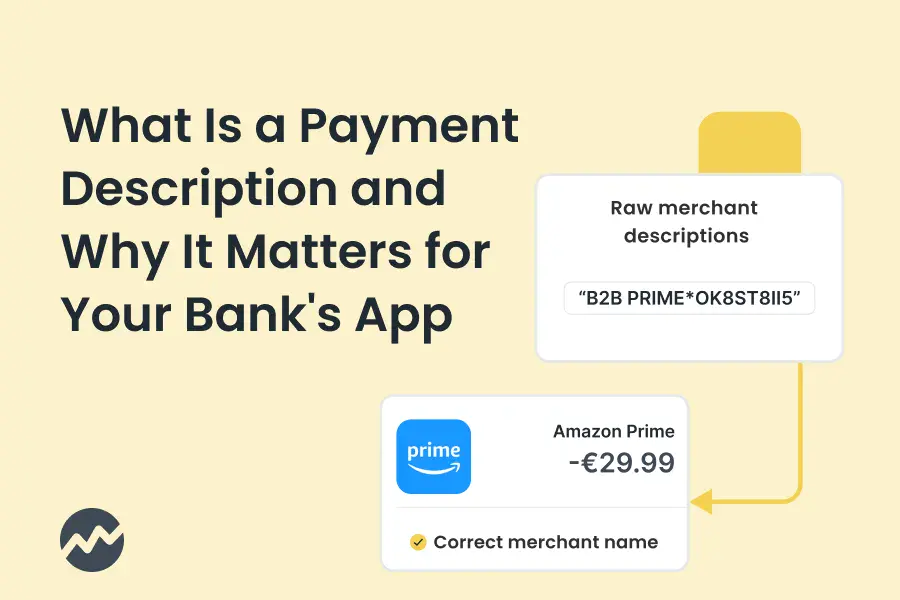
Open any banking app, scroll a recent transaction feed, and the friction usually starts in the same place: a row of cryptic capital letters where a merchant name should be. That row is the payment description - the short text string that comes through with the transaction and lands in the app next to the amount. It is the single field that most determines whether a customer recognises what they bought, who they paid, and whether the charge is legitimate. Banks rarely control it, and in its raw form, it is rarely good enough to display.
Industry insights
Transaction Data Enrichment Tools: What to Compare, and How to Choose the Right One
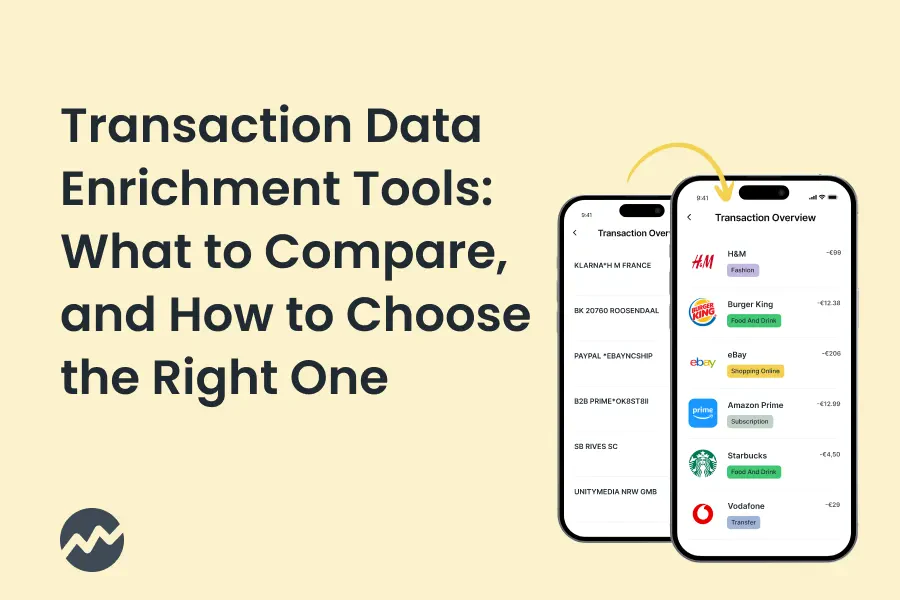
When you’re looking for transaction data enrichment tools and their features, six vendors usually come up: Tapix, Tink, Ethoca, Salt Edge, Fiserv, and Plaid. Most comparison posts treat them as interchangeable API swaps. They are not. They sit at different layers of the stack, they solve different problems, and picking the wrong one means paying for capabilities you do not need while missing the ones you do. This article walks through what each tool actually does, what it does not, and how to match them to the problem you are trying to solve.
Industry insights
What Card Network Transaction Data Do Banks Receive?
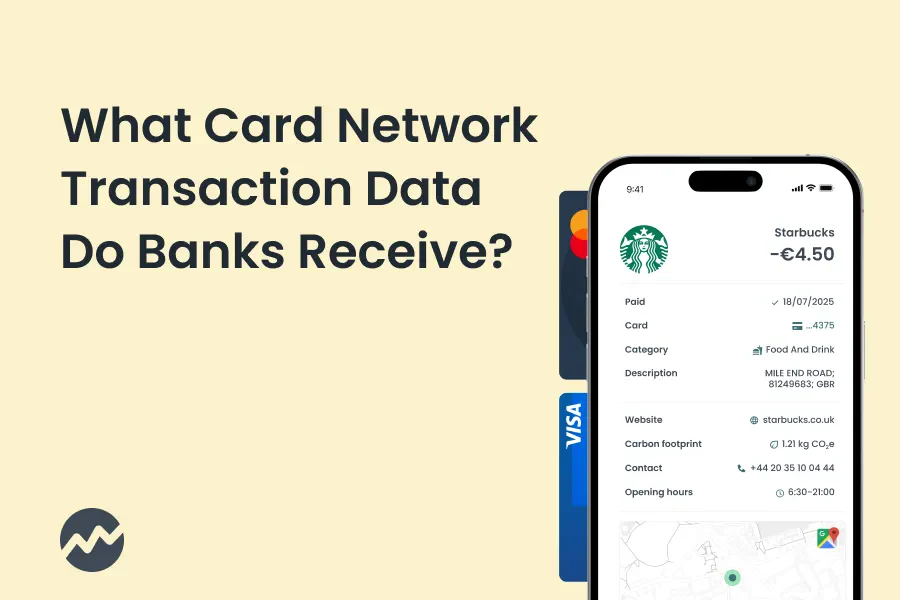
When a customer taps their card, the bank's issuer system receives a tightly structured but surprisingly thin bundle of card network transaction data. The fields are standardised, the values are constrained, and most of what an end user expects to see in their app - clean merchant names, logos, recognisable categories, exact shop locations - is simply not in the message. Everything from statement clarity to credit decisioning is built downstream of this raw payload, which makes the gap between what arrives and what a customer needs the single most consequential data problem in retail banking.

Industry insights
What Is CCD2? The Context, the Timeline, and What It Actually Means for Lenders and BNPL
The EU's revised Consumer Credit Directive (CCD2 for short) is about to change the rules for consumer lending and BNPL across Europe. By November 2026, lenders will need to prove that borrowers can actually afford what they're signing up for. That puts transaction data at the centre of every credit decision.
Industry insights
Trends, Initiatives and the Future of Green Banking Products
The topic of global warming, long-term sustainability and overall respect for planet Earth has been discussed for decades, across human activities and industries. Today, there is little doubt that climate change poses a real and significant political and economic risk to humanity.

Industry insights
Top 5 SME Banking Trends Shaping Digital Services in 2026
Business banking product teams have spent the last few years arguing about SME banking trends and UX while the regulatory and competitive ground shifted. Mastercard AN4569 is live. Visa’s mandate hits in 2027. CCD2 is moving the BNPL in a new direction. And challengers that were niche five years ago are now credible.
Industry insights
What Is Payment Processing and Acquiring? How Payments Work
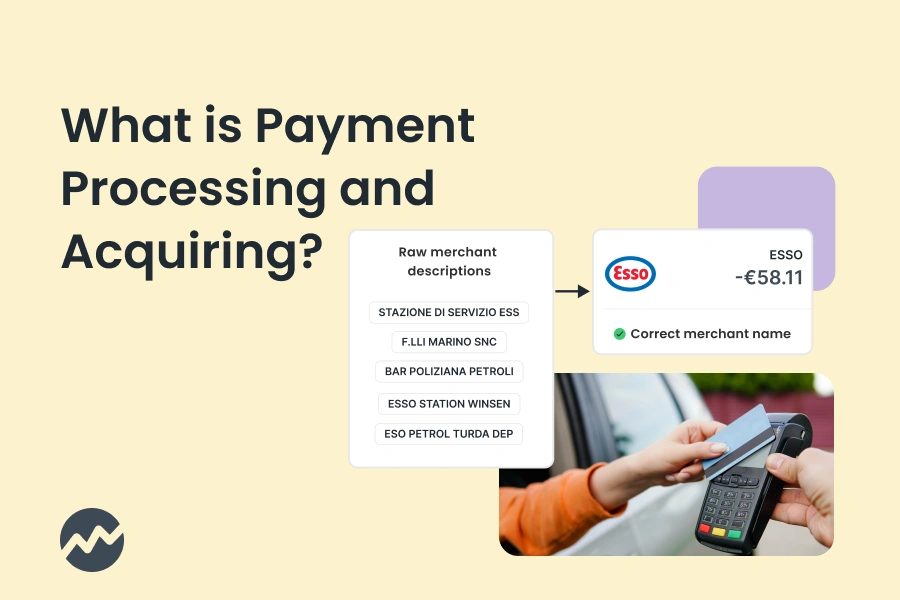
Every card payment processing triggers a chain of events - money moves between banks, transaction records are created, and what customers see in their banking app is shaped by decisions made long before they tapped their card.
Industry insights
Transaction Data Explained: POS ID, Merchant ID & MCC
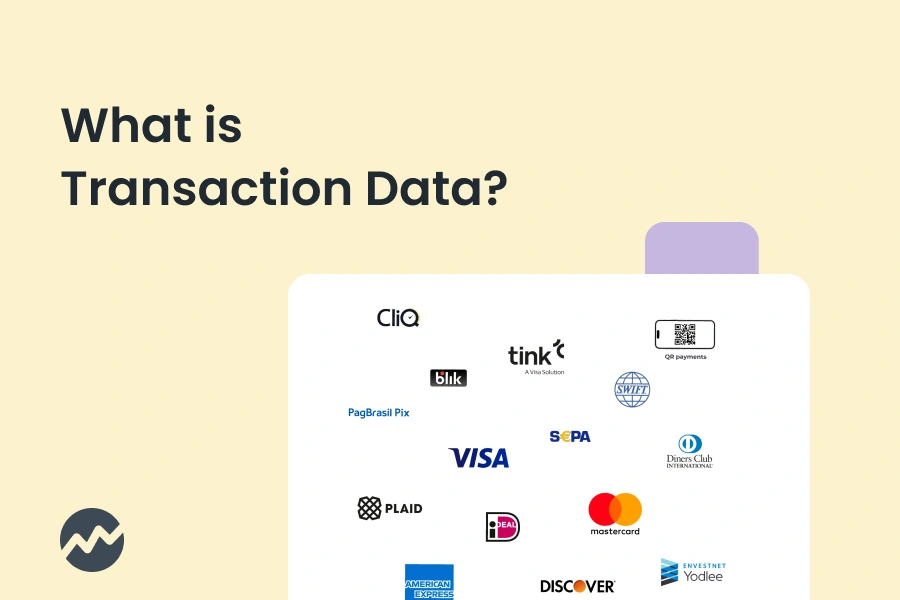
Every time a card is tapped, swiped, or entered online, a stream of raw transaction data is generated behind the scenes. Banks, payment processors, and fintechs all receive this data - yet very few of them can make it immediately useful.
Industry insights
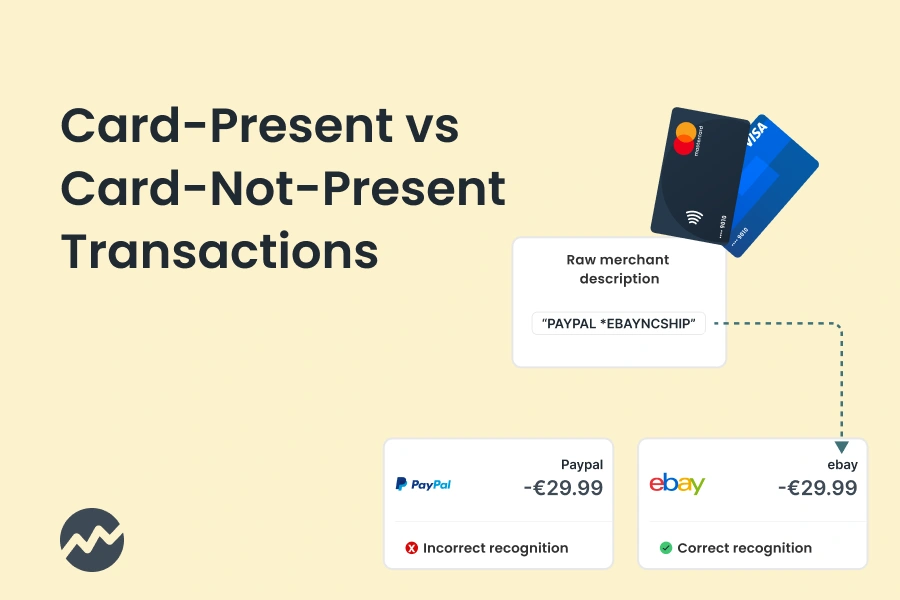
Card-Present vs Card-Not-Present Transactions: What Banks Need to Know
For most payment teams, the card-present vs card-not-present transactions distinction gets filed under processing operations. It determines routing, compliance checklists, and interchange rate categories. But this framing is becoming a liability.

Industry insights
How to Tailor SME Transaction Categorisation to Each Business Client
SME clients have higher expectations than retail clients, and for good reason. Banking is not a background activity for them - it is part of their daily operations, reporting cycles, and financial planning. Transaction categorisation is not a visual convenience. It directly influences cost control, tax handling, internal reporting, and how accurately a business understands its own financial position.
Industry insights
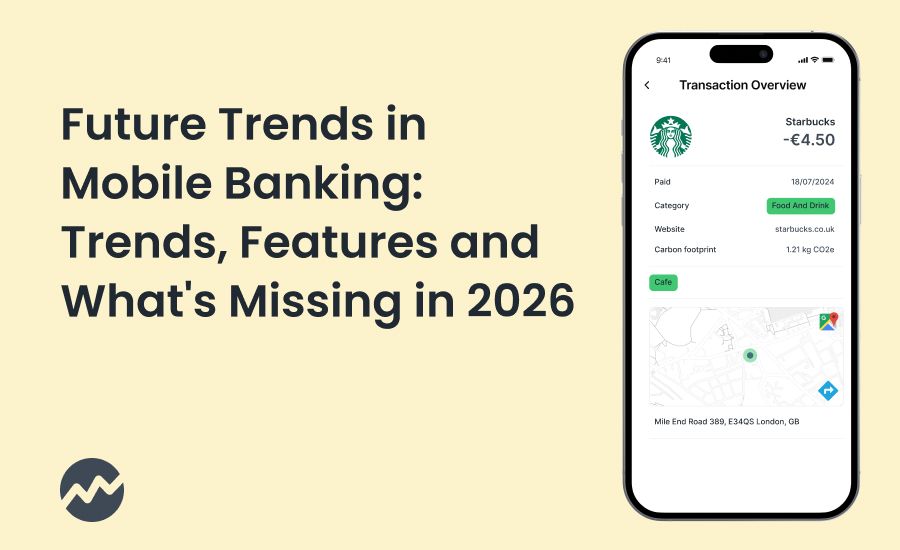
Future Trends in Mobile Banking: Trends, Features and What's Missing in 2026
Mobile banking has crossed the threshold from a convenient channel into the primary interface through which most people manage their financial lives. According to SQ Magazine, there are over 2.17bn mobile banking users worldwide as of 2025, with Europe reaching 76% penetration and Nordic countries exceeding 87%.

Industry insights
How are Digital Banking APIs Transforming Finance in 2026
As banking gets more digital, the need for simplification and automation is becoming more apparent. A significant part of that leads to the adoption of APIs in banking. While APIs (Application Programming Interfaces) have been here for a long time, the current surge in digital banking is driven by the demand for real-time payment solutions, advances in open banking regulations, and the necessity for enhanced customer engagement.