Tapix
Payment Industry Blog
Thank you! Your submission has been received!
Oops! Something went wrong while submitting the form.
Industry insights
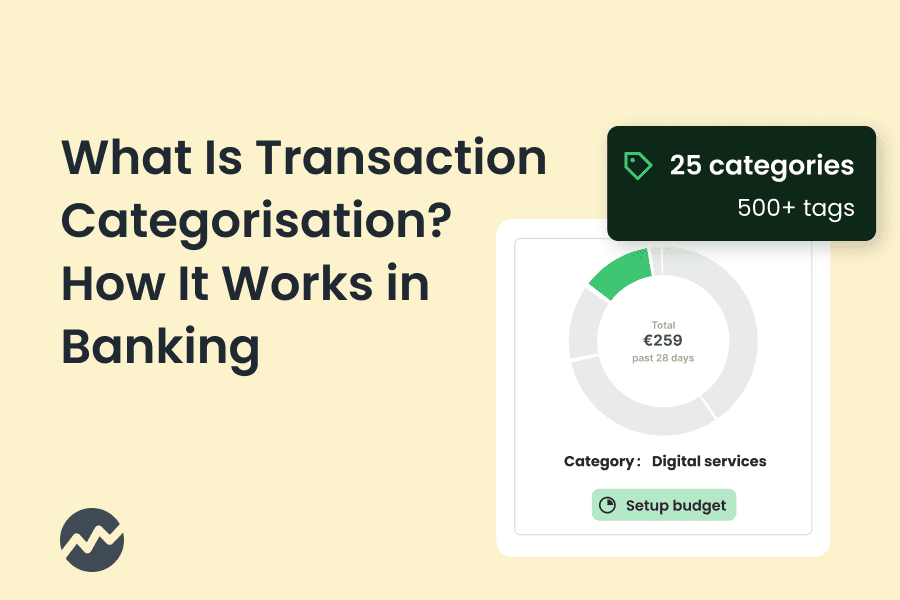
What is transaction categorisation and how does it work?
Every payment reaches a banking app as a few technical fields, such as a shortened merchant description, a four-digit code and a terminal number. Transaction categorisation turns them into a feed customers can read and budgets they can trust. Learn how it works, why MCC codes alone get only 63% of transactions right, and what banks can build on top of accurate categories.

Product insights
Why Developer Experience Matters in Transaction Data Enrichment
Developer experience (DX) is all about making tools and services easy to use, well-documented, and supportive of developers' needs. A positive developer experience leads to: - Faster Integration: Easy-to-use portals and clear documentation reduce the time required to integrate new services.- Fewer Errors: Detailed guides and examples help prevent common mistakes.

Product insights
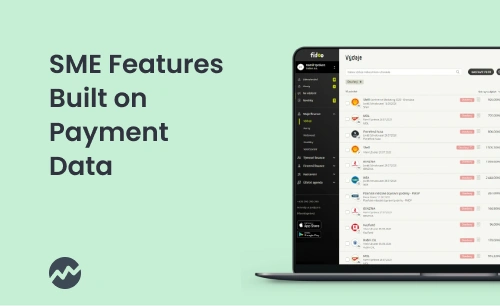
Business Banking (SME) Features to Build on Payment Data
Discover how Tapix revolutionises SME banking with innovative features like GPS transaction limits, EcoTrack for environmental responsibility, and automated approvals. When it comes to small and medium-sized enterprises (SMEs), there is an increasing emphasis on efficiency and innovation in financial processes.


Industry insights
Becoming the Bank of Choice: How to Stand Out From the Crowd
Switching banks is more common than one might think. According to a satisfaction survey conducted by J.D. Power, nearly 13% of consumers are expected to switch their primary bank this year. The most common reasons for this shift include high fees, poor customer service, lack of convenient digital banking features, and better offers from competitors. Is there a way to be a part of the client's life journey indefinitely? Let's find out.
Industry insights
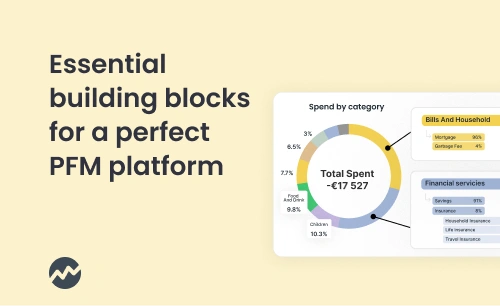
Bending data: Essential building blocks for a perfect PFM platform
With banking going digital and more personal than ever before, Personal Financial Management tools (PFM for short) have become indispensable for individuals seeking to take control of their finances. To build the perfect one...

Industry insights
Youth Banking Trends: Mapping Digital Banks for Kids, Teens, and Gen Z
While digital banking is undergoing rapid transformation and growth, a new phenomenon is emerging – Kids Banking. This concept not only represents a unique way for today's children to learn about money but also offers a unique opportunity to develop financial literacy from a very young age. Fintechs such as Pocket, GoHenry and neobanks such as Revolut are jumping on the trend.
Industry insights
Subscription banking: Transaction data tells you what customers will pay for
Subscription banking is now a serious revenue line, with Revolut earning £708m from paid plans in 2025. But a paid tier only works when it is built around what customers already pay for, not around the bank’s existing portfolio. Drawing on a recent 11:FS Fintech Insider episode with bunq and Tapix, we look at how transaction data shows banks which tiers customers will actually keep paying for.
Industry insights
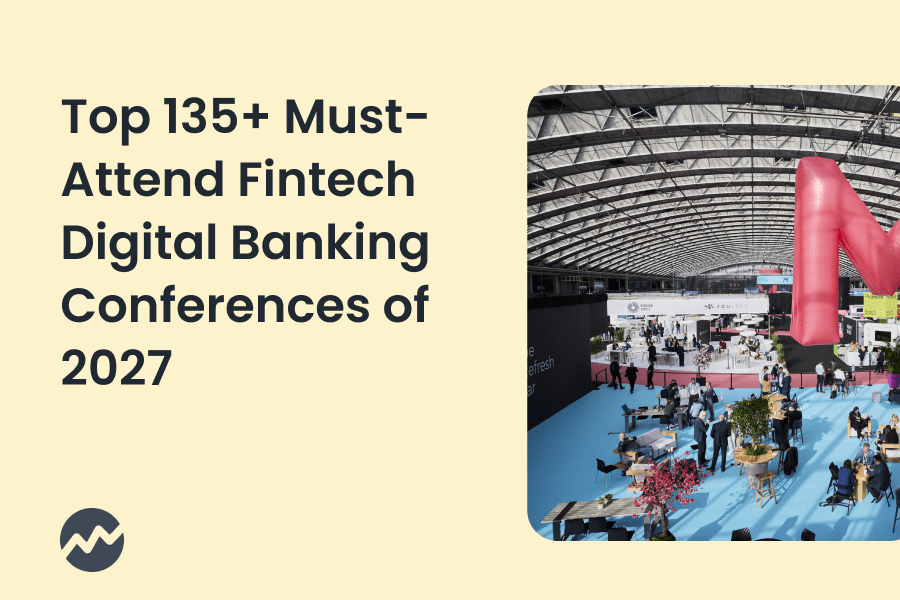
Top 135+ Fintech Conferences of 2027: Must-Attend Events for Industry Insights
Fintech and digital banking event lists exist, but they are often fragmented, incomplete, or hard to compare. Relevant conferences are spread across multiple sources with little structure. This curated overview brings them together in one place for 2027.

Product insights
Mastercard AN4569 Compliance: A Complete Guide for Banks
Mastercard AN4569 compliance requires card issuers in 47 European countries and territories to show cardholders who they actually paid, instead of the short description that arrives from the acquirer. The rule has been binding since 14 October 2023, and Visa's equivalent requirement takes effect on 23 January 2027.
Product insights
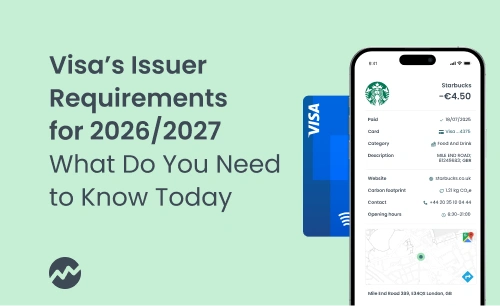
Visa Mandate 2027: What Issuers Must Do
Visa has announced a series of mandates updating how banks and fintechs manage transaction data, cardholder controls, and recurring payments. The changes follow similar regulatory steps taken by Mastercard and aim to improve transparency, consumer trust, and digital control in the European payment ecosystem.
Industry insights
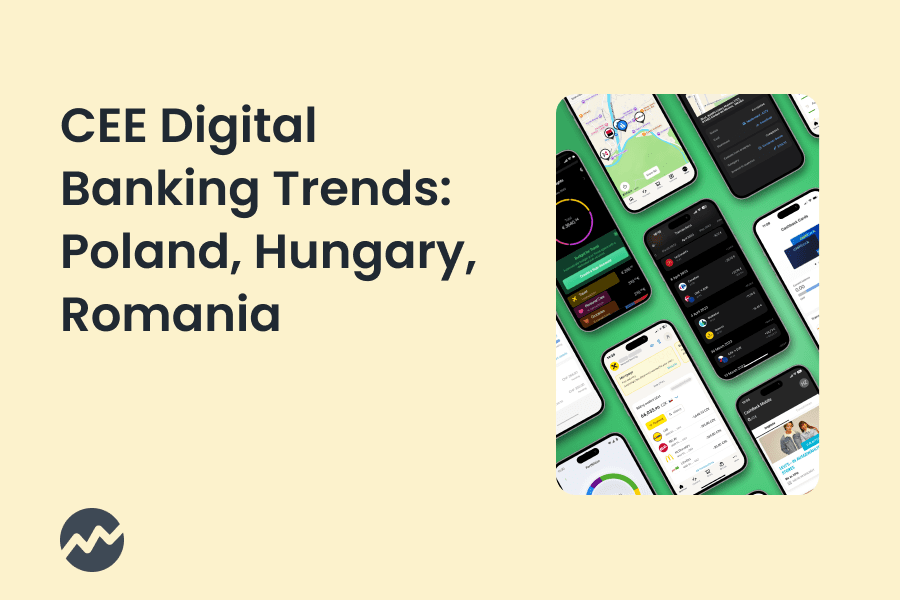
CEE Digital Banking Trends: What Poland, Hungary and Romania Reveal About the Next Five Years
Poland is CEE's most digitally mature market, yet Revolut's penetration there is barely half what it is in Hungary or Romania. Our benchmark of all three markets explains why, and identifies four trends that will decide who owns the customer relationship over the next five years.
Product insights
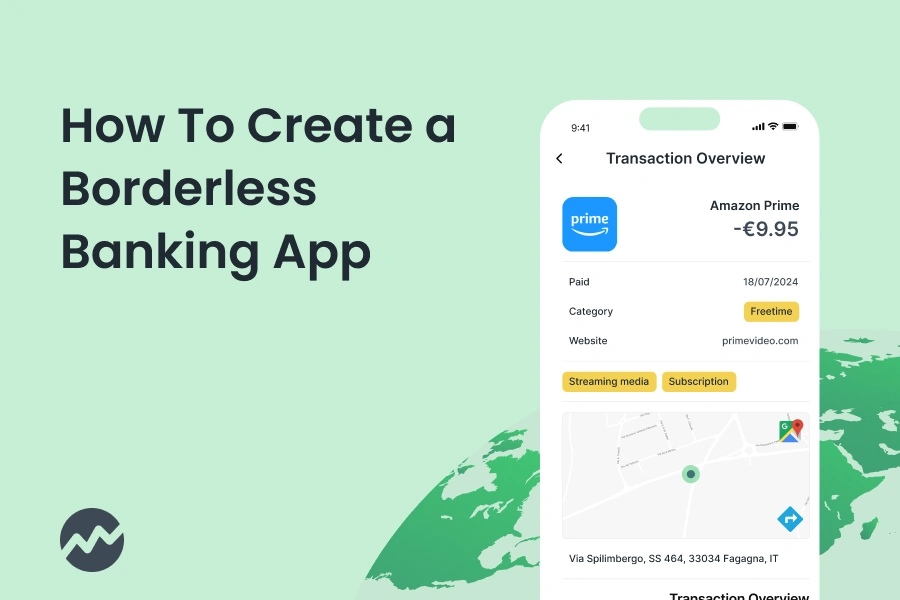
What a Borderless Banking App Needs From Payment Data
A banking app that works perfectly at home can fall apart on the first foreign payment. The domestic feed works because the same merchants repeat week after week - the supermarket, the transport operator, the coffee place near the office. The moment a customer lands abroad and taps their card, that repetition disappears, and the app has to answer a harder question from a single transaction record. This is a build guide for tier 1 banks: which fields a transaction record has to carry abroad, and what a borderless banking app can show once it carries them.
Industry insights
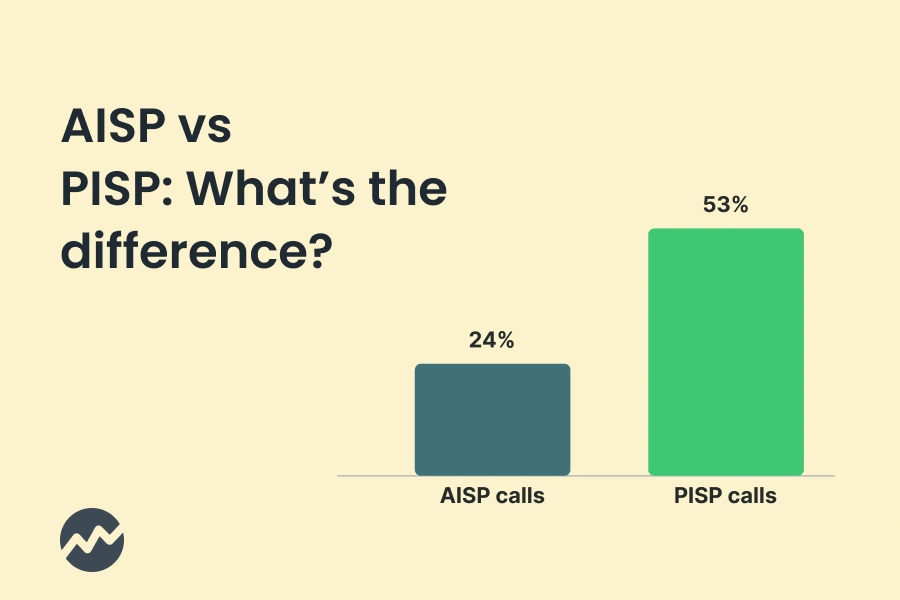
AISP vs PISP: reading payment data vs acting on it
Affordability comes down to one number a lender must evidence: what's left after every expense is paid. That's an account information job start to finish - and it's where the two open banking roles split. An AISP reads the transaction picture that makes affordability calculable; a PISP moves the money once the decision is made, but plays no part in working out whether someone can afford anything. Here's why the two belong in separate boxes, and why adoption is now tilting from the reading role toward the acting one.
Industry insights
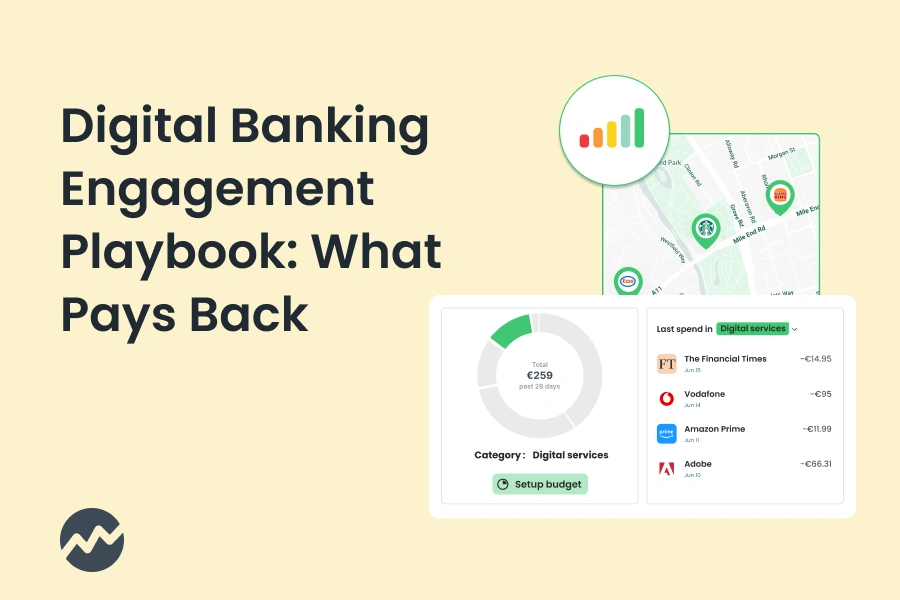
The Digital Banking Engagement Playbook: What Actually Pays Back
An established bank earns several times more per customer than a neobank, and almost none of it comes from the app. The money sits on the balance sheet: the salary paid in, the direct debits cleared against it, the loan on the other side of the ledger. But the app is where that relationship gets defended or quietly lost, feature by feature, as customers decide where their financial routine will live. This playbook cuts through engagement vanity metrics to the features that actually move the number that pays back - and shows why every one of them depends on a bank being able to read what its customers' payments really are.
Industry insights
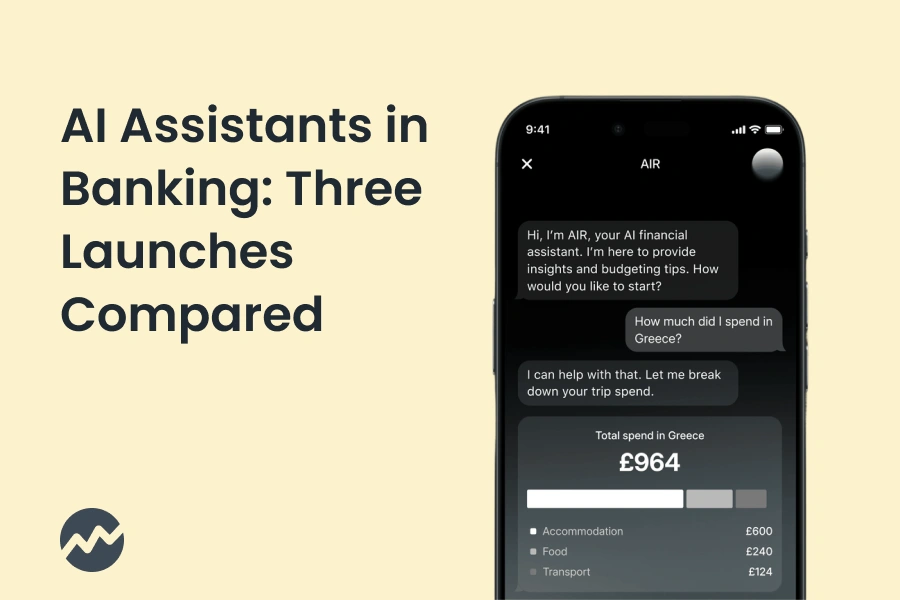
AI Assistants in Banking: bunq, Starling and Revolut
Three banks shipped consumer-facing AI assistants inside twelve months, and to anyone being asked whether their own bank needs one, they look like a single trend. They are not. Measured on what the assistant is allowed to do, what it is allowed to see, and the route each bank took to ship it, bunq Finn, Starling Assistant and Revolut AIR turn out to be three different products - and the differences change what can go wrong with each. Here they are set side by side.
Industry insights
How enrichment expands personal finance management
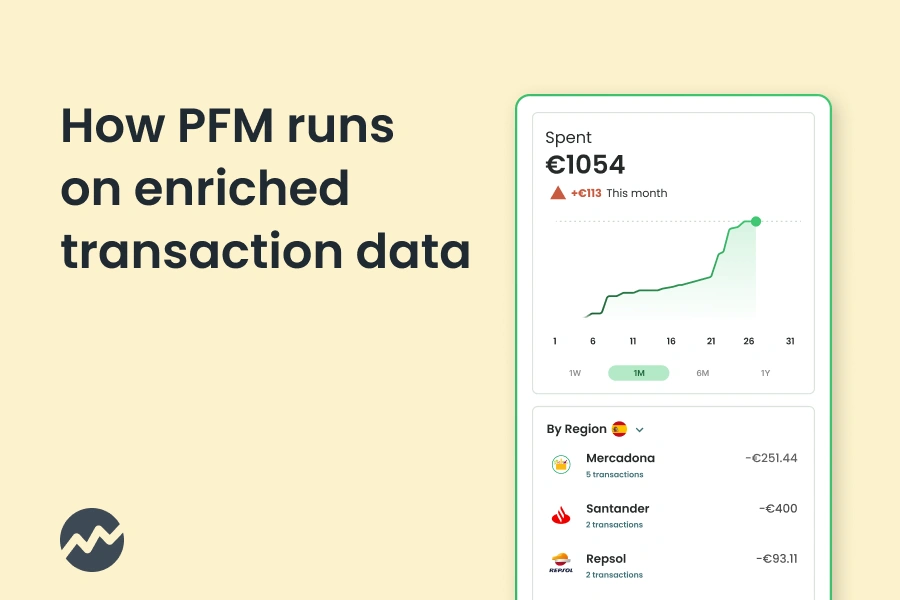
Every feature in a personal finance app - categories, spending summaries, subscription alerts, carbon insights, even an agent that cancels a forgotten trial - sits on one thing: the quality of the transaction data underneath. Here's how enrichment turns raw payment strings into a PFM customers actually trust, across every payment rail and every market.

Product insights
Subscription management solutions: 4 options for banks explained
"Subscription management" means four different things to four different banks - a simple list, a forecasting overview, a control button, or a security audit. Each serves a distinct motivation and draws on a distinct data source. This article breaks down all four solutions, what each is worth to the customer, and how to weigh them before committing engineering effort.

Industry insights
What does Generation Z expect from banking?
Gen Z is the heaviest-subscribing generation and fails on those subscriptions at roughly twice the rate of everyone else. But subscriptions are only the start. This piece breaks down four things Gen Z actually expects from a bank - seeing what they pay for, getting answers without digging, having their spending reflected back accurately, and banking with an institution that looks like them - and shows the European evidence behind each. Underneath all four sits the same dependency: a clean, enriched transaction record.
