Tapix
Payment Industry Blog
Thank you! Your submission has been received!
Oops! Something went wrong while submitting the form.
Industry insights
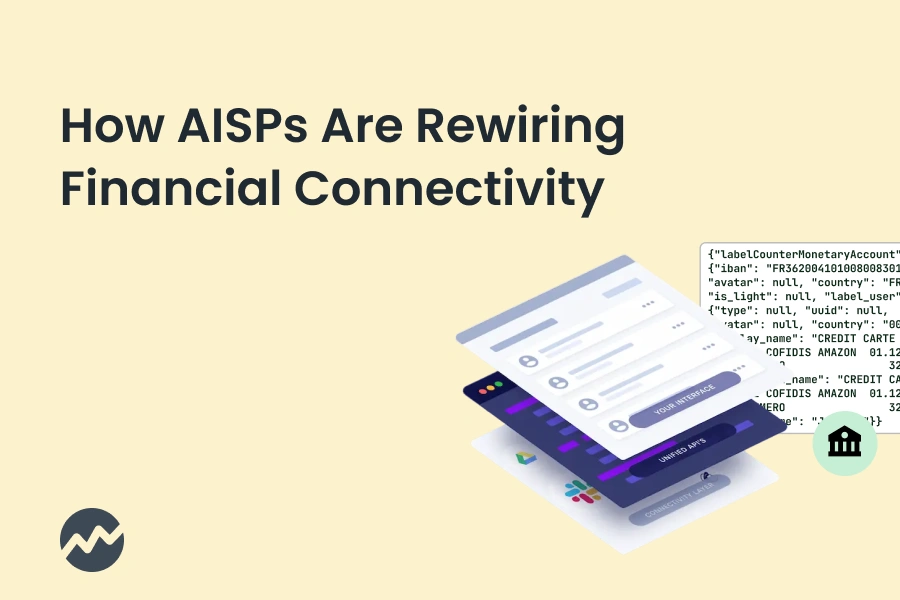
How AISPs Are Rewiring Financial Connectivity
When PSD2 came into effect in 2018, Account Information Service Providers got a formal identity. Banks had to open their APIs to licensed third parties, and consumers gained the legal right to let those third parties access their payment account data. Seven years later, hundreds of AISPs are registered across Europe, and the model has spread to the UK, Brazil, Australia, and parts of the Middle East.
.webp)
Industry insights
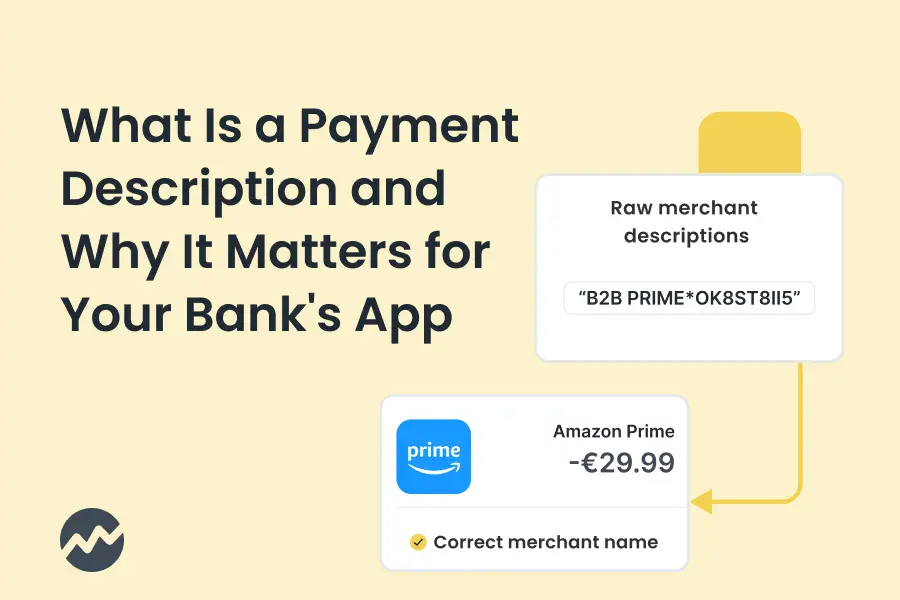
What Is a Payment Description and Why It Matters for Your Bank's App
Open any banking app, scroll a recent transaction feed, and the friction usually starts in the same place: a row of cryptic capital letters where a merchant name should be. That row is the payment description - the short text string that comes through with the transaction and lands in the app next to the amount. It is the single field that most determines whether a customer recognises what they bought, who they paid, and whether the charge is legitimate. Banks rarely control it, and in its raw form, it is rarely good enough to display.
.webp)
Industry insights
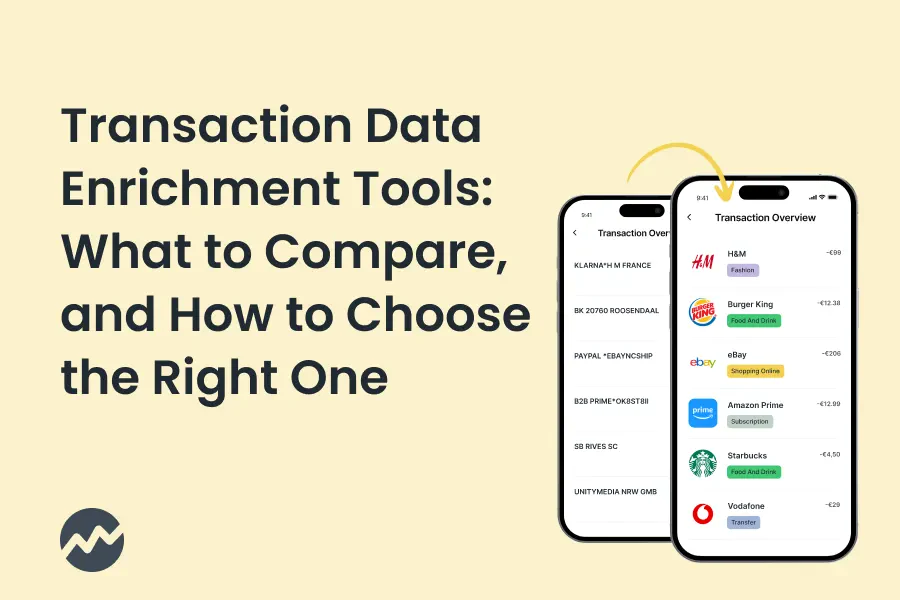
Transaction Data Enrichment Tools: What to Compare, and How to Choose the Right One
When you’re looking for transaction data enrichment tools and their features, six vendors usually come up: Tapix, Tink, Ethoca, Salt Edge, Fiserv, and Plaid. Most comparison posts treat them as interchangeable API swaps. They are not. They sit at different layers of the stack, they solve different problems, and picking the wrong one means paying for capabilities you do not need while missing the ones you do. This article walks through what each tool actually does, what it does not, and how to match them to the problem you are trying to solve.
Industry insights
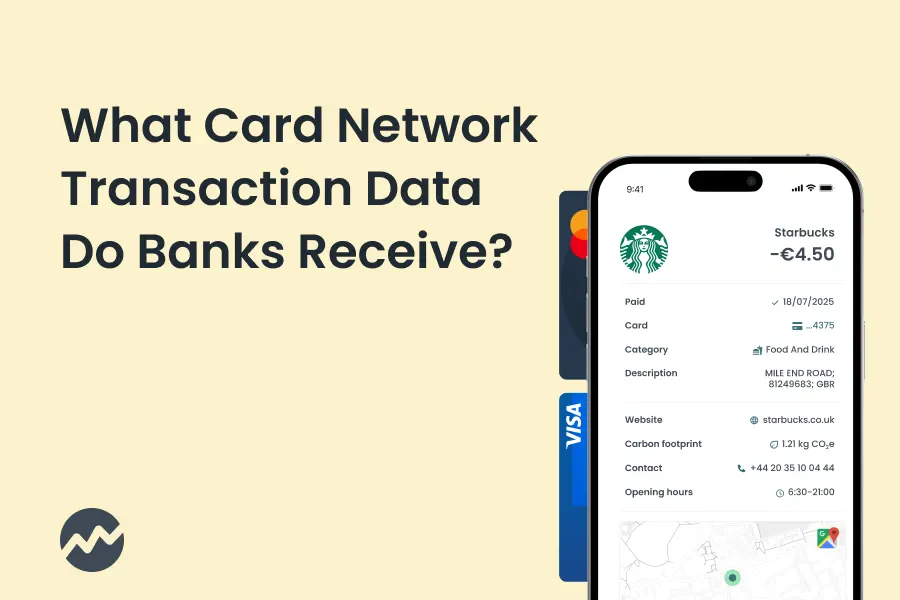
What Card Network Transaction Data Do Banks Receive?
When a customer taps their card, the bank's issuer system receives a tightly structured but surprisingly thin bundle of card network transaction data. The fields are standardised, the values are constrained, and most of what an end user expects to see in their app - clean merchant names, logos, recognisable categories, exact shop locations - is simply not in the message. Everything from statement clarity to credit decisioning is built downstream of this raw payload, which makes the gap between what arrives and what a customer needs the single most consequential data problem in retail banking.

Industry insights
What Is CCD2? The Context, the Timeline, and What It Actually Means for Lenders and BNPL
The EU's revised Consumer Credit Directive (CCD2 for short) is about to change the rules for consumer lending and BNPL across Europe. By November 2026, lenders will need to prove that borrowers can actually afford what they're signing up for. That puts transaction data at the centre of every credit decision.
Industry insights
Trends, Initiatives and the Future of Green Banking Products
The topic of global warming, long-term sustainability and overall respect for planet Earth has been discussed for decades, across human activities and industries. Today, there is little doubt that climate change poses a real and significant political and economic risk to humanity.

Industry insights
Top 5 SME Banking Trends Shaping Digital Services in 2026
Business banking product teams have spent the last few years arguing about SME banking trends and UX while the regulatory and competitive ground shifted. Mastercard AN4569 is live. Visa’s mandate hits in 2027. CCD2 is moving the BNPL in a new direction. And challengers that were niche five years ago are now credible.
Industry insights
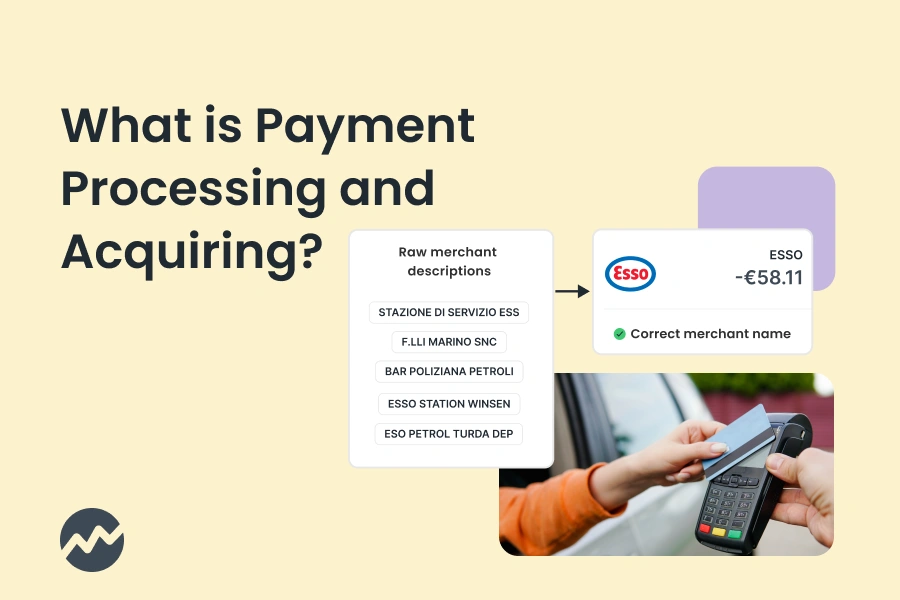
What Is Payment Processing and Acquiring? How Payments Work
Every card payment processing triggers a chain of events - money moves between banks, transaction records are created, and what customers see in their banking app is shaped by decisions made long before they tapped their card.
Product insights
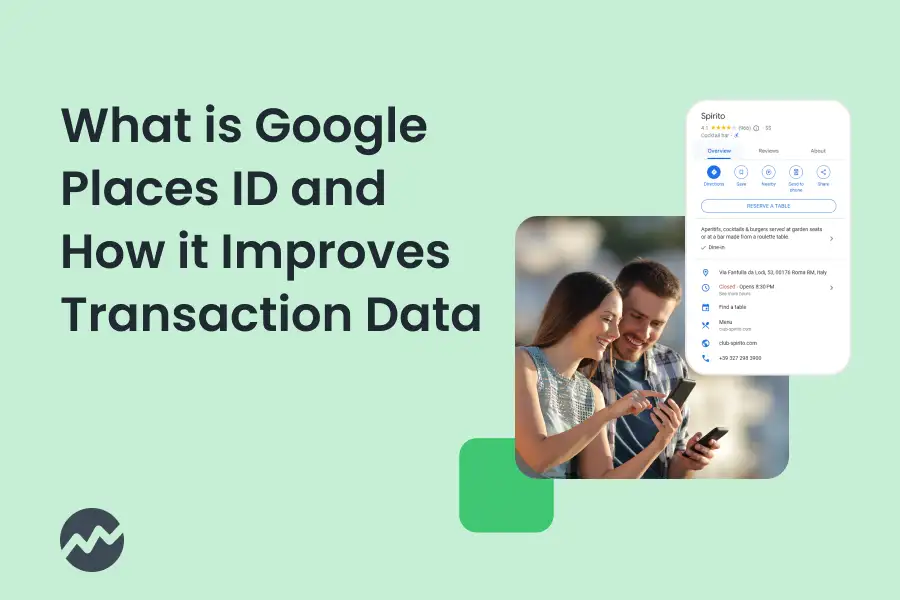
What Is Google Places ID and How It Improves Transaction Data
Every card payment generates a transaction record. But if you look at the raw data behind that record, you'll quickly notice a problem: the location information it contains is almost never specific enough to tell you where the customer actually was.
Industry insights
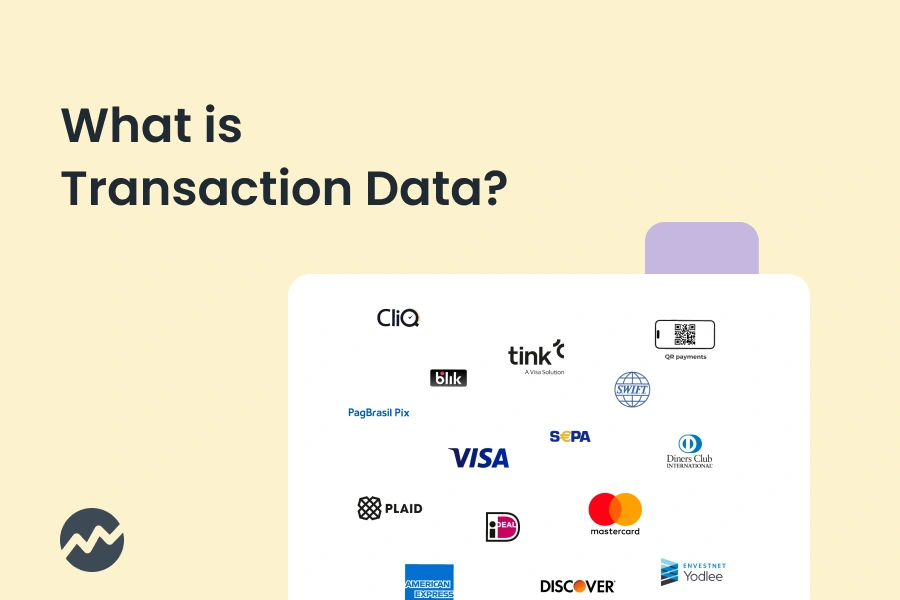
Transaction Data Explained: POS ID, Merchant ID & MCC
Every time a card is tapped, swiped, or entered online, a stream of raw transaction data is generated behind the scenes. Banks, payment processors, and fintechs all receive this data - yet very few of them can make it immediately useful.
Industry insights
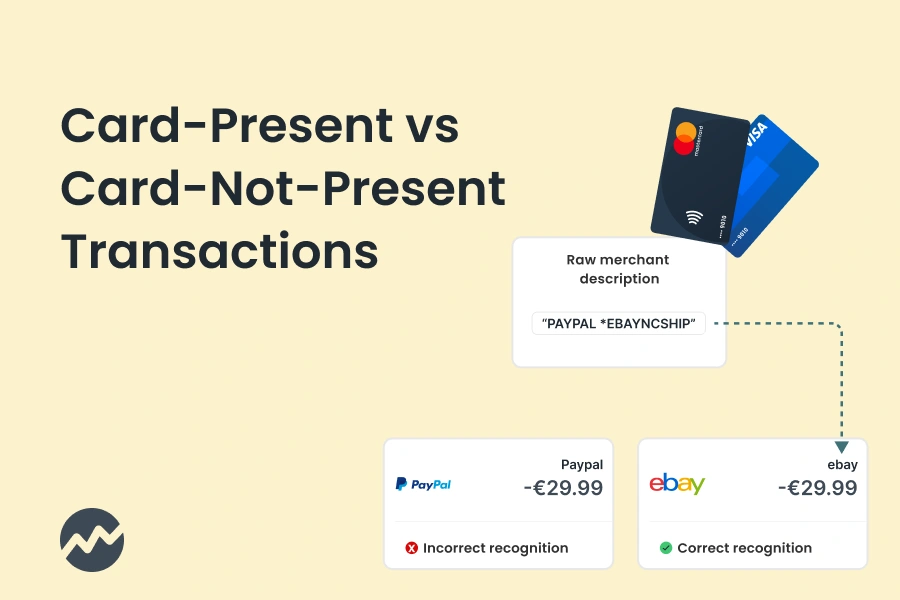
Card-Present vs Card-Not-Present Transactions: What Banks Need to Know
For most payment teams, the card-present vs card-not-present transactions distinction gets filed under processing operations. It determines routing, compliance checklists, and interchange rate categories. But this framing is becoming a liability.
Product insights
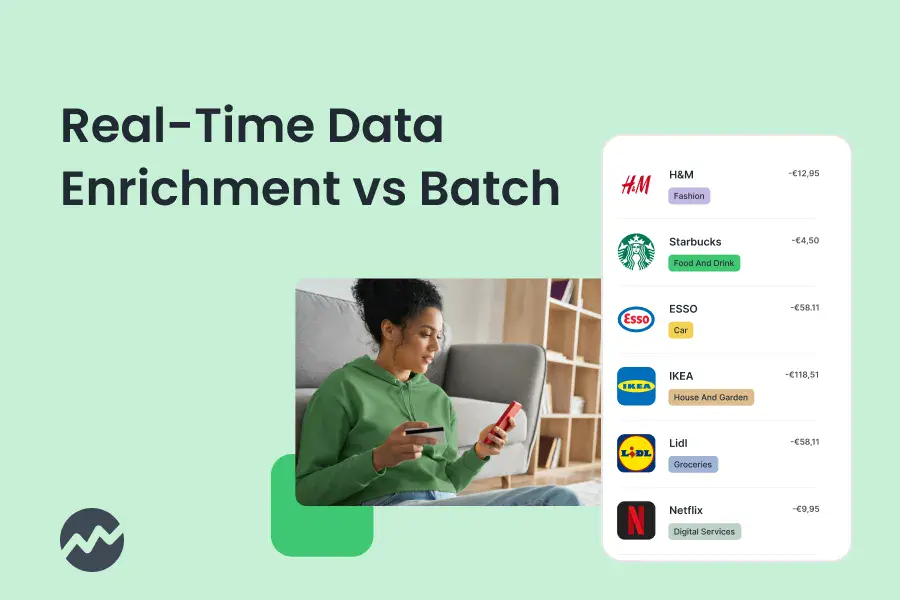
Real-Time Data Enrichment vs Batch: What Banks Need to Decide First
The timing of transaction enrichment determines which digital banking features a bank can realistically deliver. Getting this architectural decision right is not a backend concern - it is a product strategy decision.
Industry insights
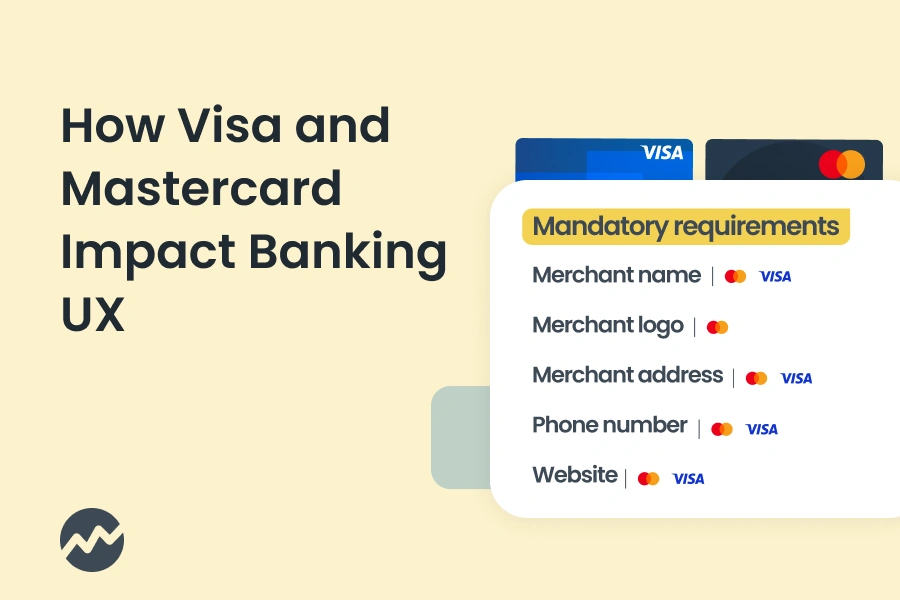
How Visa and Mastercard Impact Banking UX
Transaction UX used to be a product decision. Some banks invested in recognisable merchant names and clean feeds. Others shipped raw descriptor strings and MCC codes. Today, Visa and Mastercard are increasingly turning transaction clarity into issuer requirements, and the minimum bar is rising for everyone.
.webp)
Industry insights
How to Tailor SME Transaction Categorisation to Each Business Client
SME clients have higher expectations than retail clients, and for good reason. Banking is not a background activity for them - it is part of their daily operations, reporting cycles, and financial planning. Transaction categorisation is not a visual convenience. It directly influences cost control, tax handling, internal reporting, and how accurately a business understands its own financial position.
Industry insights
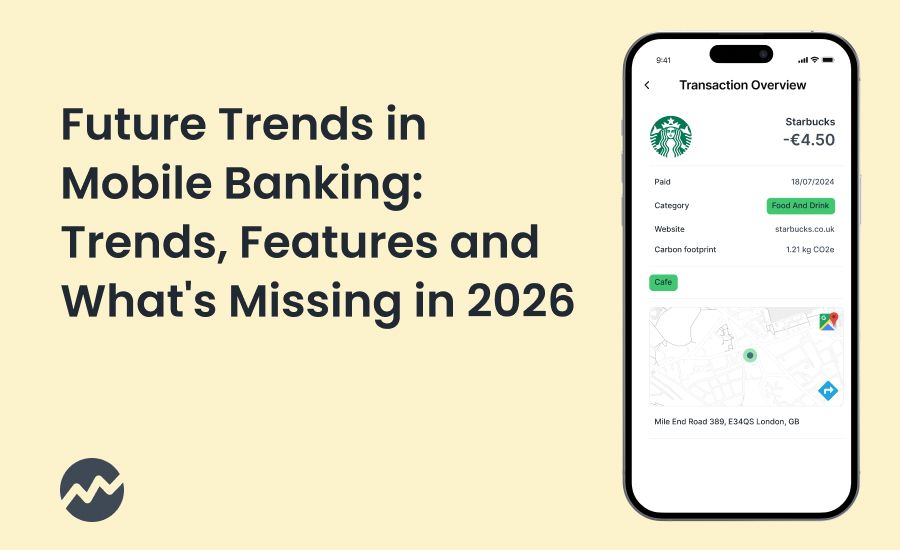
Future Trends in Mobile Banking: Trends, Features and What's Missing in 2026
Mobile banking has crossed the threshold from a convenient channel into the primary interface through which most people manage their financial lives. According to SQ Magazine, there are over 2.17 billion mobile banking users worldwide as of 2025, with Europe reaching 76% penetration and Nordic countries exceeding 87%.
Product insights
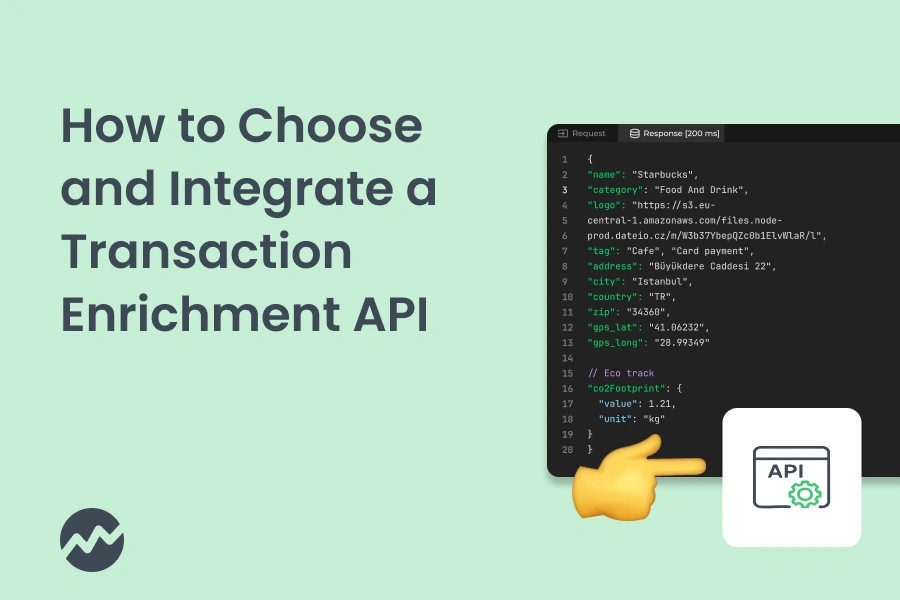
How to Choose and Integrate a Transaction Enrichment API
Most integration failures don’t happen because the API is bad. They happen because the bank treats enrichment like an additional tweak instead of a structural layer inside its transaction system. If you integrate a transaction enrichment API properly, it becomes part of your transaction infrastructure.

Industry insights
How are Digital Banking APIs Transforming Finance in 2026
As banking gets more digital, the need for simplification and automation is becoming more apparent. A significant part of that leads to the adoption of APIs in banking. While APIs (Application Programming Interfaces) have been here for a long time, the current surge in digital banking is driven by the demand for real-time payment solutions, advances in open banking regulations, and the necessity for enhanced customer engagement.

Success stories
Inside Deutsche Bank: Data, APIs, AI and Global Banking at Scale
Global banks don’t operate as single units. They function through interconnected regional structures, shared standards and coordinated execution across markets. In this interview, Kriti Jain, who leads Digital Economy, Fintech & Platform coverage across APAC and Cash Sales across APAC and MEA at Deutsche Bank, shares how data, APIs and AI are managed inside one of the world’s largest banking networks and how collaboration between regions actually works in practice.
